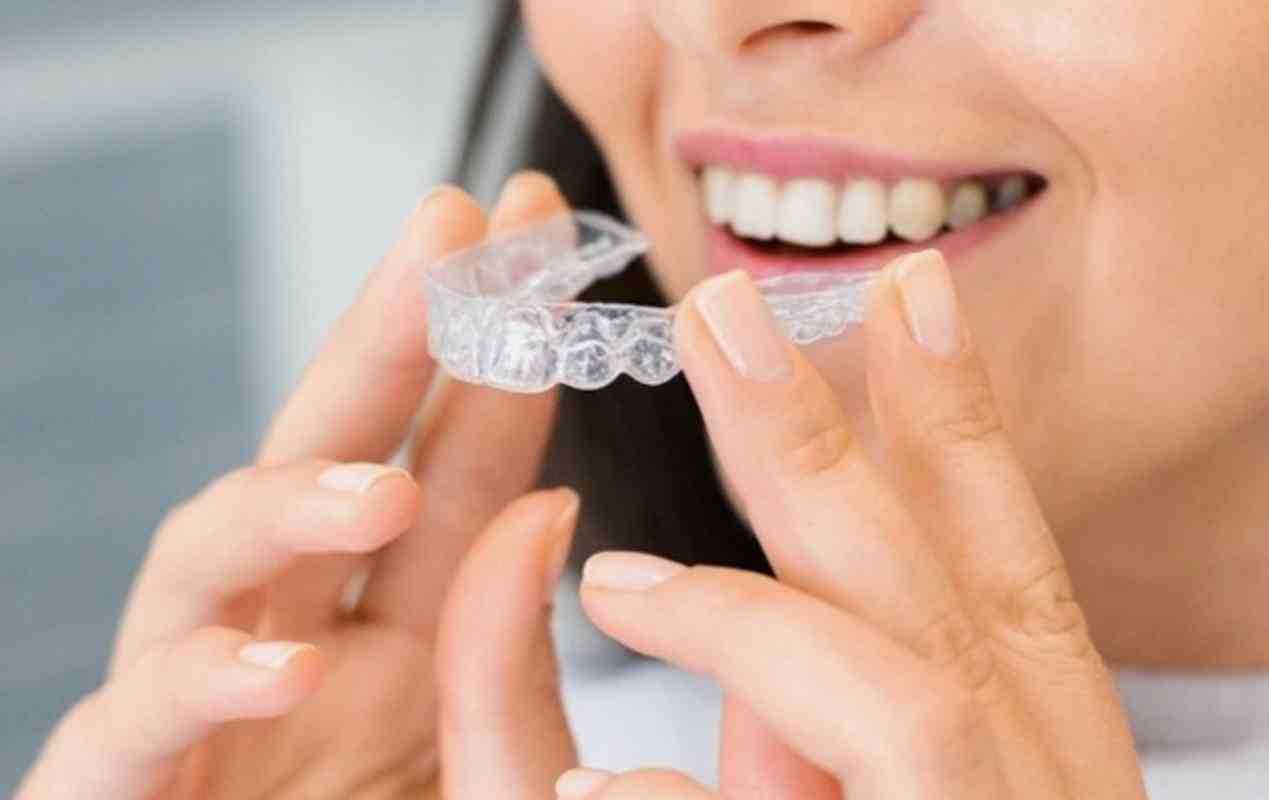


For decades, the idea of straightening teeth was closely associated with metal brackets, wires and lengthy orthodontic appointments.
That image is changing as Australian dental clinics increasingly adopt digital technology that allows patients to begin orthodontic treatment using 3D scanning, computer modelling and customised clear aligner systems.
An investigation into Australia’s changing dental landscape found that clear aligner treatments, including Invisalign, are becoming increasingly popular among Australians looking for a more flexible and discreet alternative to traditional braces.
The shift is being driven by advances in digital dentistry, but also by changing patient expectations, with consumers increasingly seeking treatments that fit around their lifestyle and professional commitments.
Across Melbourne and other major Australian cities, dental practices are adopting digital workflows that allow clinicians to plan orthodontic treatment with greater precision.
Among them is a Melbourne practice using a fully digital clear-aligner process, Gorgeous Smiles, where digital scanning and computer-assisted treatment planning form part of the assessment process before aligners are produced.
The growing adoption of digital orthodontics reflects a much broader transformation taking place across Australia’s dental industry, where technology is reshaping everything from diagnosis through to patient communication and long-term treatment planning.
Digital dentistry is reshaping Australia’s orthodontic industry
Australia’s dental sector has experienced significant growth over the past decade as more people invest in preventative care, cosmetic dentistry and orthodontic treatment.
According to the Australian Institute of Health and Welfare (AIHW), Australians spent approximately $12.5 billion on dental services during 2022-23, while more than half of Australians aged 15 years and over visited a dental professional during 2023-24.
The AIHW has also found that oral health has a direct impact on quality of life, with dental conditions affecting confidence, comfort and everyday wellbeing.
That demand has accelerated investment in digital technologies, with dental practices increasingly replacing traditional impressions with digital intraoral scanners capable of producing highly detailed three-dimensional images of a patient’s teeth.
Rather than relying solely on manual measurements, clinicians can now develop customised treatment plans that digitally map how teeth are expected to move throughout the orthodontic process.
Why Invisalign continues to gain popularity
Traditional braces remain an effective orthodontic treatment, but clear aligners have become an increasingly popular option for adults and teenagers seeking a less noticeable alternative.
Instead of metal brackets and wires, Invisalign uses a series of transparent removable aligners that gradually reposition teeth over time according to a personalised treatment plan.
According to Gorgeous Smiles, the treatment process begins with a comprehensive consultation and digital scan to determine whether a patient is suitable for Invisalign before a customised treatment plan is created.
The digital workflow also allows patients to better understand their proposed treatment before they commit.
For many Australians, convenience has become one of the biggest attractions.
The ability to remove aligners while eating, brush and floss without fixed brackets, and continue professional and social activities without visible metal braces has helped drive growing interest in the technology.
Clear aligners are not designed for every orthodontic case
One of the strongest findings during my investigation was that experienced clinicians are careful not to present clear aligners as a universal solution.
Gorgeous Smiles says, clear aligners handle some orthodontic problems well and others less effectively, making an honest clinical assessment far more important than simply determining whether someone wants Invisalign.
The clinic says Invisalign generally suits patients with crowding, crooked or misaligned teeth, gaps and spacing issues, together with mild to moderate bite problems.
Patients with more complex orthodontic conditions, including significant jaw discrepancies or severe bite issues, may require alternative treatment methods or a combination of orthodontic approaches.
That distinction is becoming increasingly important as more Australians research orthodontic treatment online before speaking with a dental professional.
A growing role for digital orthodontics
The rapid growth of Invisalign reflects more than changing cosmetic preferences. It highlights how technology is reshaping one of the oldest areas of dentistry.
Consumers today expect healthcare providers to offer greater transparency, personalised treatment planning and modern digital tools that help them understand procedures before treatment begins.
Practices investing in digital workflows are responding to those expectations, while also recognising that successful outcomes still depend on careful diagnosis and selecting the right treatment for each patient.
As Australia’s dental industry continues to evolve, the combination of clinical expertise and digital innovation is expected to play an increasingly important role in how orthodontic treatment is delivered.
For patients considering Invisalign, the message from clinicians remains consistent. Digital technology has created new possibilities, but the best results continue to come from matching the right treatment to the right clinical case.