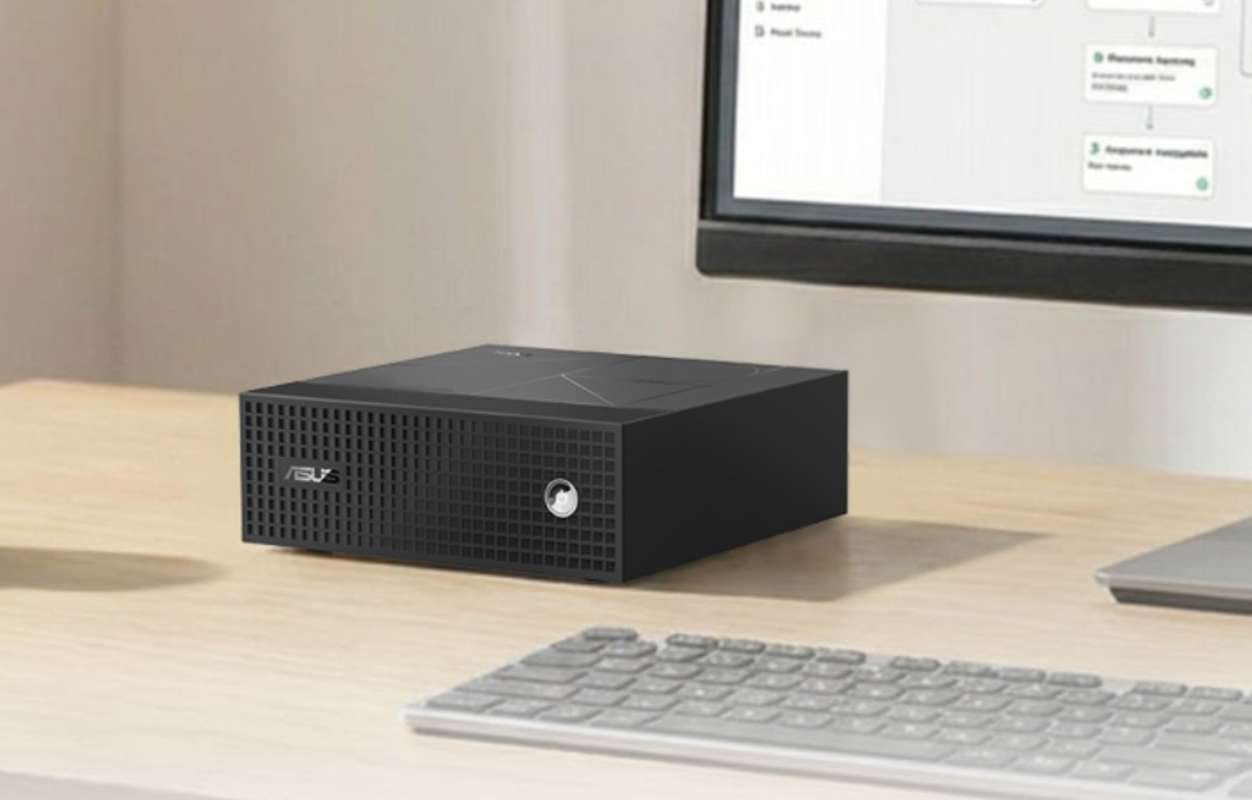


ASUS has unveiled a new range of laptops and mini PCs designed to run advanced AI models directly on users’ devices, marking a significant shift away from the cloud-based systems that have dominated the AI boom.
The company used Computex 2026 in Taipei to launch new ProArt creator PCs powered by NVIDIA’s RTX Spark platform, a chip architecture built specifically for running AI workloads locally.
While manufacturers have spent the past two years adding AI features to PCs, ASUS is making a much bigger claim.
The Taiwanese computer and consumer electronics company says the new machines can run AI models with up to 120 billion parameters and process context windows of up to one million tokens without relying on remote servers.
If those claims hold up in real-world use, the technology could allow users to perform tasks currently associated with cloud services such as ChatGPT, image generation platforms and AI coding assistants while keeping data on their own devices.
Announcement highlights a growing battle over where AI will run in the future.
Since the launch of generative AI, most advanced systems have relied on massive data centres operated by companies such as OpenAI, Google and Microsoft.
But rising costs, privacy concerns and demand for faster responses are driving interest in “local AI” that runs directly on PCs.
ASUS said its new systems deliver up to one petaflop of AI performance and include as much as 128GB of unified memory, allowing them to tackle demanding workloads including AI video generation, large language models and professional 3D rendering.
The move also reflects a broader shift in the PC industry. After years of slowing innovation, AI has become the latest reason for consumers and businesses to upgrade hardware.
Whether users actually need laptop-class systems capable of running enormous AI models remains an open question.
Most consumers continue to access AI through cloud services, and software developers are still adapting applications to take advantage of new AI-focused hardware.
But one thing is becoming clear: computer makers increasingly see the future of personal computing not as a window into the cloud, but as a place where powerful AI runs locally, on the device sitting in front of you.