The cybersecurity industry has spent the past two years warning about AI-powered threats, and now it’s starting to admit another problem: critical infrastructure operators may be struggling to keep up.
A new product launch from industrial cybersecurity solutions provider Claroty this week offers a glimpse into where the sector thinks the fight is heading.
The company unveiled an AI-powered security agent designed to monitor and protect cyber-physical systems — the sprawling mix of industrial control systems, medical devices, operational technology and connected infrastructure that keeps everything from hospitals to manufacturing plants running.
What’s interesting is what the launch says about the industry’s growing concern that artificial intelligence is changing the economics of cyberattacks.
Security teams protecting critical infrastructure have traditionally operated in slower-moving environments where caution matters more than speed. Industrial systems aren’t patched every week.
Downtime can cost millions. In some sectors, mistakes can have safety implications. AI is starting to disrupt that equation.
Attackers can now automate reconnaissance, vulnerability research and social engineering at a scale that wasn’t possible a few years ago. Meanwhile, operators of industrial networks are dealing with an explosion of connected devices, sensors and increasingly autonomous systems.
Goldman Sachs recently projected the market for humanoid robots could reach US$38 billion by 2035, with industrial deployments expected to drive much of the growth. Every new connected device potentially creates another point of exposure.
That helps explain why vendors such as Claroty are betting heavily on AI-assisted security tools. The company’s new platform promises to help customers identify vulnerable assets, prioritise risks and automate remediation workflows across operational technology environments.
Whether AI becomes the solution to AI-created problems remains an open question.
According to Gartner, “AI is reshaping CPS security. Cybersecurity leaders must balance deterministic safety with AI‑driven prediction, enrichment, and investigation to reduce real risk, automate complexity, and strengthen resilience without disrupting operations
The Claroty Platform with Claire: CPS-Native, AI-Powered Protection
Claroty Claire™ is powered by what Claroty describes as the world’s most comprehensive cyber-physical systems (CPS) language model.
The model draws on data from more than 6,500 equipment and medical device manufacturers, is deployed across more than 20,000 sites in over 60 countries, and is supported by threat intelligence from Claroty’s Team82 research unit.
- Reduce Risk: Minimise the attack surface and prevent downtime with an always-on team of agents that proactively prioritise and orchestrate remediation of exposures that would impact business continuity if exploited.
- Improve Operational Resilience: Leverage deep, research-backed device understanding to inform every security action, maintaining the safety and uptime of mission-critical environments.
- Achieve Continuous Compliance: Reduce the manual burden of audit preparation with automated asset mapping to regulatory frameworks and OEM-approved patch levels.
The cybersecurity industry has a long history of promising that automation will close the skills gap and simplify security operations. Yet breaches continue to rise, and critical infrastructure remains an attractive target for both cybercriminals and nation-state actors.
What’s clear is that AI is no longer being treated as a future risk inside industrial environments. Vendors are building products around the assumption that the threat landscape has already changed.
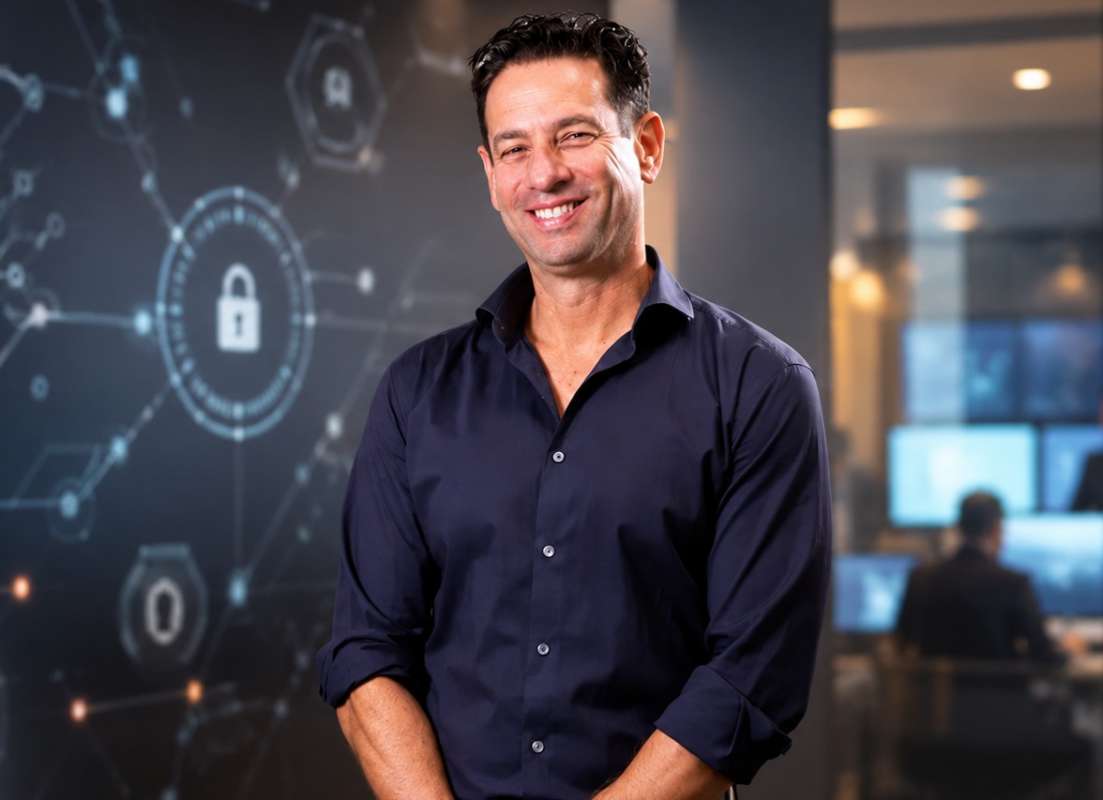
Claroty CEO Yaniv Vardi says organisations face pressure to embrace digital transformation and AI for efficiency and cost reduction, all while ensuring these tools safely improve resilience and preserve uptime.
“This Herculean task is achievable when leveraging an AI tool that intrinsically understands the unique complexities of CPS environments and can balance security controls with operational needs,” said Vardi
“That’s why we built Claire–to empower human operators to make decisions with confidence, based on tailored insights and agentic actions you can trust,” he said.
The real test won’t be how many AI security agents are launched this year. It will be whether they can reduce risk in environments where getting it wrong can shut down production lines, disrupt hospitals or knock essential services offline.
Leading the AI Push in CPS Security
The launch of Claire marks the latest step in Claroty’s broader AI strategy. It builds on a series of AI-focused developments introduced in recent months, including the CPS Library, AI-generated dashboards and reports within xDome, and the Model Context Protocol (MCP) Server for xDome.
Claroty was named a Leader in the 2026 Gartner Magic Quadrant for CPS Protection Platforms for the second consecutive year and a Leader in The Forrester Wave: IoT Security Solutions, Q3 2025. The company serves more than 1,300 customers worldwide, including 24 Fortune 100 organisations.