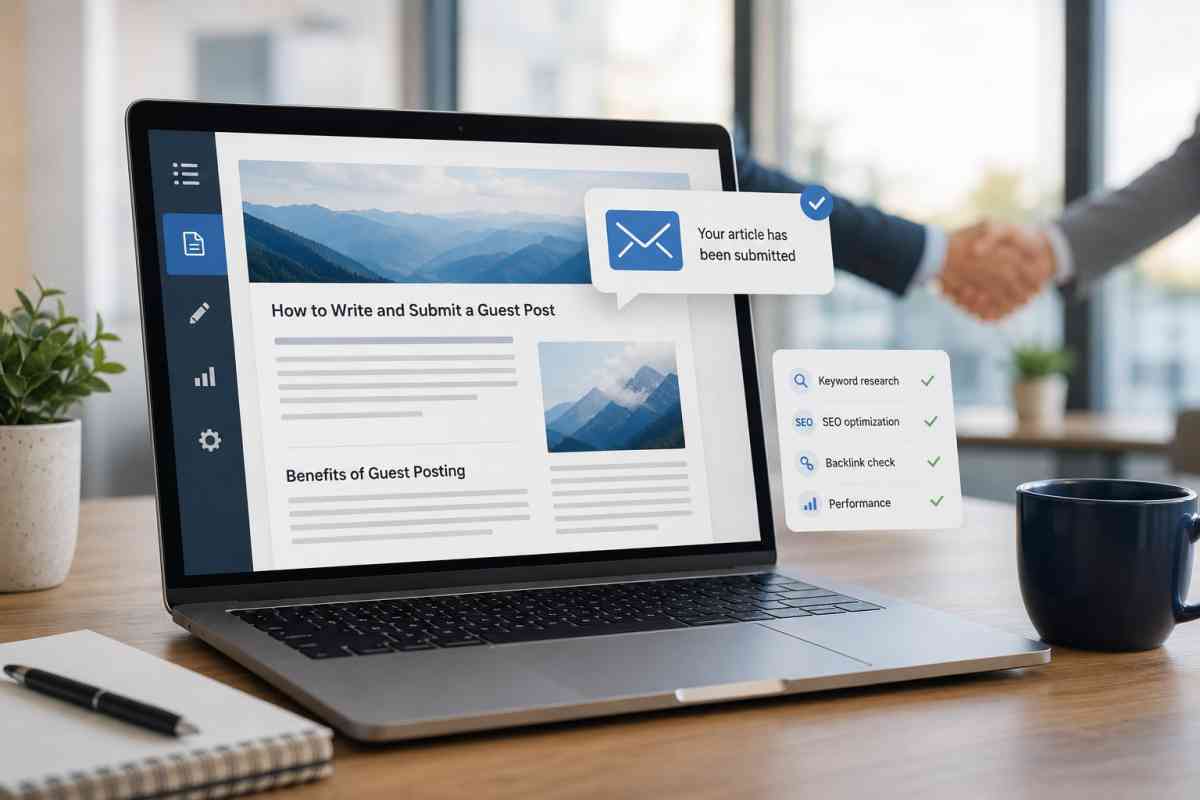


Paid guest posting, or (guest blogging) is often turned into a simple transaction. A customer pays, the article is copied and pasted into WordPress, published, a link is added, and the job is considered completed
That approach is lazy, careless, unprofessional and shows a lack of respect for both the customer and the publishing process.
If you own a website and accept guest post placements, you are not just selling space on a page. You are providing a publishing service. That means the customer should receive more than a basic copy-and-paste article upload.
They should receive clear communication, proper attention to detail, article optimisation and a final result that gives them the best possible value.
Good paid or sponsored guest posting is not about taking payment and rushing content live.
It is about doing the job properly.
Guest Posting Is a Service, Not Just a Placement
When a customer pays to publish content on your website, they are trusting you with their brand, their message and often their SEO budget. That comes with responsibility.
A good site owner should make the process simple, clear and professional from the beginning. That means answering questions directly, explaining what is included, setting expectations and paying close attention to the details that affect the final article.
Customers should not have to chase basic information. They should not receive vague answers. They should not be left wondering whether their content has been formatted, reviewed or optimised properly.
The difference between a poor guest posting service and a strong one usually comes down to care.
Clear Communication Builds Trust
Communication is one of the most important parts of customer satisfaction.
If a customer asks a direct question, answer it directly. Do not dodge the point. Do not send unrelated information. Do not respond with generic lines that fail to address what was actually asked.
For example, if a customer asks whether a price includes a certain site, answer that question clearly.
If they ask whether the placement includes formatting, indexing support, image upload, SEO title or meta description, explain exactly what they will receive.
Good communication should include:
1. Direct Answers to Direct Questions
A customer should never have to read through three emails to find out whether you said yes or no.
Keep your replies clear. If something is included, say it is included. If it is not included, say that too. If there are limits, state them upfront.
2. Clear Publishing Terms
Before taking payment, explain your basic terms. This may include article length, number of links allowed, whether links are marked as sponsored or nofollow, whether edits are included, how long publication usually takes, and whether the article will remain live permanently or for a set period.
The more transparent you are upfront, the fewer disputes you will have later.
3. Professional Follow-Up
Once the article is live, send the customer the published link.
If there were any changes made during editing, briefly explain them. If you improved headings, fixed grammar, adjusted paragraph length or rewrote a forced anchor, say so.
This shows the customer that you did more than paste their content into WordPress. It also shows the customer that you care.
Site Owners Should Optimise the Article Properly
A guest post should not be uploaded carelessly.
If a customer sends an article, it still needs to be reviewed before publication. Some articles arrive with poor paragraph structure, weak headings, awkward anchor text, spelling errors, formatting problems or missing SEO elements.
A responsible publisher should fix what can reasonably be fixed.
That does not mean rewriting the entire article for free. It means taking enough care to make the article presentable, readable and suitable for the website.
Formatting Matters More Than Many People Think
Article formatting affects readability, user experience and SEO performance.
Long blocks of text are difficult to read. Thin one-line paragraphs can look lazy. Poor headings make the content harder to scan. A missing meta description can reduce the quality of the search result snippet.
When publishing guest content, pay attention to:
1. Appropriate Paragraph Length
Paragraphs should be long enough to carry an idea but short enough to be easy to read. Most online articles work best with short, focused paragraphs.
Avoid huge blocks of text. Also avoid breaking every sentence into its own paragraph for no reason.
2. Strong H2 and H3 Headings
Headings help readers move through the article. They also help search engines understand the structure of the content.
A good article should not rely on generic headings such as “Introduction” or “Benefits.” Use headings that actually explain what the section is about.
For example, instead of:
“Benefits of Guest Posting“
Use something more detailed:
“How Guest Posting Helps Brands Build Referral Traffic and Authority“
That kind of heading gives both readers and search engines more context.
3. Clean Internal Structure
A well-published guest post should have a logical flow. The article should move from the main topic into supporting points, examples and a clear conclusion.
Do not simply paste the content and hope it makes sense. Read it. Check it. Make sure the structure works.
SEO Optimisation Should Be Part of the Service
If a customer is paying for a guest post, they are usually looking for some form of return. That may include brand exposure, referral traffic, credibility, search visibility or link value.
This is where proper optimisation matters.
A site owner should take the time to improve the article where possible. That includes:
1. Writing and Optimising Proper SEO Meta Description
The meta description should summarise the article clearly and encourage a search user to click. It should not be stuffed with keywords or copied from the first sentence.
A good meta description should be concise, relevant and specific.
2. Improving the SEO Title Where Needed
Some submitted titles are too long, too vague or too promotional. If the title can be improved, suggest a better one or make a careful edit.
The goal is to make the article more searchable and more attractive to readers.
3. Checking Anchor Text
Forced anchor text is one of the biggest problems in guest posting.
Some customers insist on awkward keyword anchors that do not fit naturally into the sentence. A good publisher should point this out. It is better to suggest a more natural anchor than publish something that looks spammy and damages the article.
For example, instead of forcing a phrase like “best cheap accounting software Australia business solution,” the article may read better with a branded anchor, a partial-match phrase or a natural reference inside the sentence.
Good anchor text should serve the reader first.
4. Correcting Obvious Errors
If the article has spelling mistakes, grammar issues, broken formatting or factual inconsistencies, fix them or raise them with the customer.
Leaving obvious errors in a paid article makes both the customer and the website look bad.
ROI Comes From Quality And Attention To Detail
Customer satisfaction in guest posting is closely tied to return on investment.
A customer does not want to feel like they paid for a rushed upload. They want to feel that the publisher understood the assignment and gave the article the best possible chance to perform.
That means looking beyond the payment.
A good guest posting service should ask:
- Is the article readable?
- Is the formatting clean?
- Are the headings useful?
- Is the anchor text natural?
- Is the meta description written properly?
- Does the article suit the website?
- Has the customer received clear communication?
- Is the final result something the customer would be happy to show publicly?
If the answer is no, the job is not finished.
Guest Posting Should Not Be a Money Grab
Too many guest posting services are treated as quick cash. The site owner takes the money, uploads the article with no care, and moves on to the next customer.
That approach damages trust.
It also damages the wider guest posting market because customers become frustrated, website owners become defensive, and genuine publishers are grouped together with low-effort operators.
If you are accepting paid content, provide a real service. Add value. Improve the article where possible. Communicate clearly. Make the customer feel like their placement matters.
That is how repeat business is created.
Advice for Freelance Guest Post Resellers
Freelance guest post resellers also need to understand the importance of communication and professionalism.
If you act as a middle person between clients and website owners, your reputation depends on trust. That trust starts with how you introduce yourself, how you write your emails and how honestly you explain the service you provide.
Use Your Real Name
If you are a legitimate freelancer, there is no reason to hide behind a fake name.
Using your real name makes you more credible. It shows that you are willing to stand behind your work. It also makes the conversation more human.
Website owners receive large numbers of guest post emails every week. Many of them look fake, rushed or copied. A real name, a clear introduction and honest details help you stand out.
Call the Website Owner by Their Name
Do not start every email with “Dear Sir,” “Dear Madam” or “Hello Dear.”
It looks generic. It also tells the website owner that you probably have not taken the time to read the site, check the contact page or understand who you are contacting.
If the website owner’s name is available, use it. If it is not available, use the publication name or a simple professional greeting.
Small details matter.
Be Honest About What You Do
Do not claim to be an SEO expert, content marketing specialist or digital PR strategist unless you genuinely have that experience.
There is nothing wrong with being a freelance guest post reseller if you are honest about it because the problem begins when people pretend to be something they are not.
If your role is to source guest post placements for clients, say that clearly. Explain what you are looking for. Explain the article you have. Explain why it may suit the website.
Authenticity will take you further than inflated titles.
Stop Sending Empty Price Request Emails
One of the biggest mistakes resellers make is sending generic emails that only ask:
“How much for a guest post?”
These emails are usually deleted.
Website owners see them constantly. Many are clearly mass-sent. They do not mention the website properly. They do not include an article idea. They do not explain the client, the topic or the value of the content.
If you want a better response, do not turn up empty handed.
Pitch the Article, Even if You Are Paying
A paid placement request should still include some form of content pitch.
Before contacting a website owner, have an actual article or at least a clear article concept ready. Explain what the article is about. Mention the topic, angle, data, audience relevance and why it suits the publication.
For example, instead of writing:
“How much for a guest post on your site?”
Write something more specific:
“I have an article on cybersecurity risks facing Australian small businesses, including recent data on ransomware, phishing and business email compromise.
It is written for a business audience and may suit your cybersecurity or technology section.
Could you please let me know whether you are open to reviewing it for publication?”
That kind of email shows effort. It gives the website owner something to assess. It also separates you from the thousands of generic outreach emails being sent every day.
Read the Guidelines Before Asking for Them
If a website has already published guest post guidelines, read them before making contact.
Do not ask a website owner to send guidelines that are already clearly available on the site because that wastes their time and shows that you have not done basic research.
Before sending an email, check:
- Whether the site accepts guest posts
- What topics are allowed
- Whether paid placements are accepted
- Minimum word count
- Link limits
- Content standards
- Prohibited industries
- Contact instructions
- Whether business email addresses are required
Following the guidelines gives you a much better chance of success.
Ignoring them makes you look careless.
Do Not Contact Website Owners Just to Build a Price Sheet
Website owners should not be spammed with price requests from people who do not have a real publishing request.
If you are only collecting prices to add another site to a reseller spreadsheet, do not waste the publisher’s time. Contact them when you have a genuine article, a real client and a clear placement request.
Mass price-hunting damages your reputation. It also makes website owners less willing to respond to legitimate enquiries.
The Market Is Flooded, So Effort Stands Out
The guest posting market is crowded. Many website owners receive the same style of email over and over again.
Generic outreach no longer works well because it looks lazy. Fake names, vague claims, empty price requests and copied email templates make the sender easy to ignore.
To stand out, freelancers need to do the opposite.
Use your real identity. Read the website. Understand the guidelines. Bring a real article. Write a personalised email. Be clear about who you are and what service you provide.
That level of effort is rare, which is exactly why it works.
Good Guest Posting Comes Down to Respect
Whether you are a site owner, publisher, freelancer or reseller, guest posting works best when it is handled with respect.
- Respect the customer by giving them proper service.
- Respect the website owner by not wasting their time.
- Respect the reader by publishing content that is clear, useful and properly formatted.
- Respect the process by being honest, detailed and professional.
- Always use your real name, identity and real business details. (Don’t call yourself John Smith)
Guest posting should never be reduced to a quick money grab or a spam email. When done properly, it can provide value for the customer, the publisher and the reader.
But that only happens when people take the work seriously.
Clear communication, honest outreach, careful article optimisation and genuine customer service are what separate professional guest posting from low-effort link selling.
The people who understand that will have a much better chance of building long-term relationships, repeat business and a reputation that actually means something.