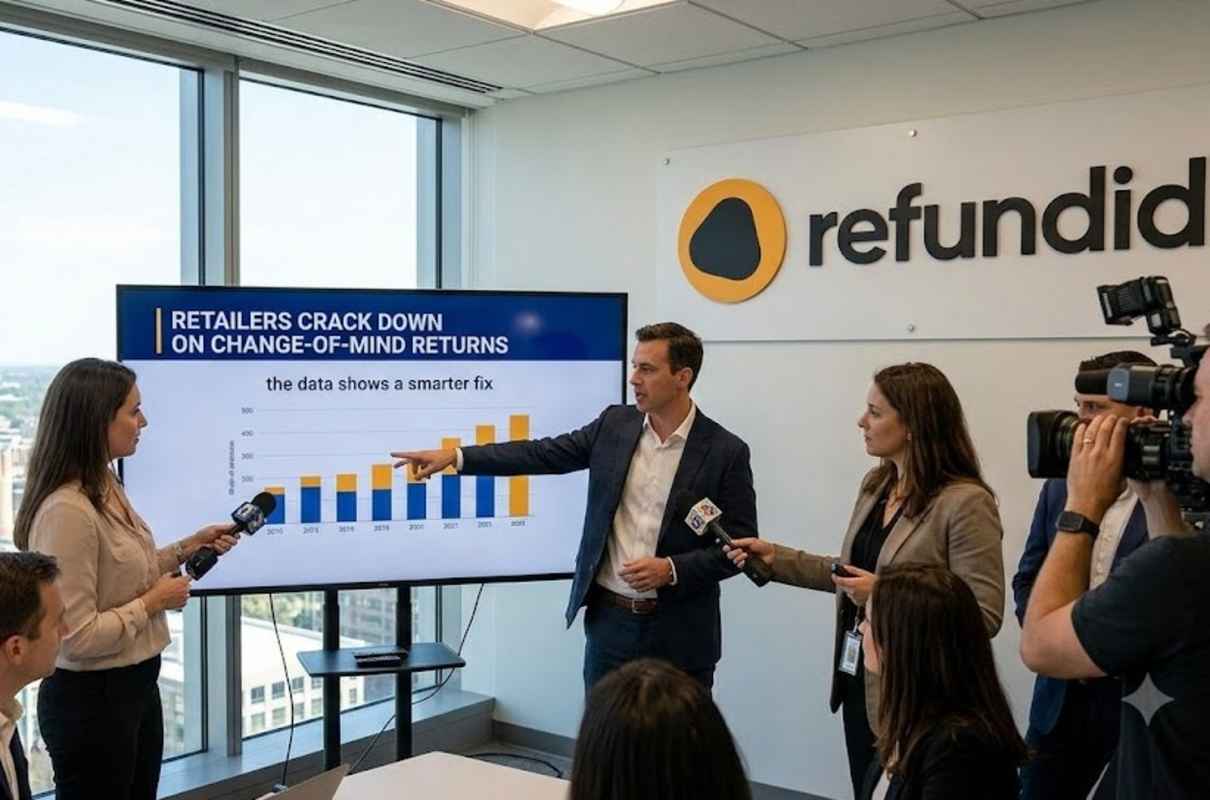


Australian retailers are tightening their stance on change-of-mind return policies as the cost of processing refunds continues to rise. This follows a broader trend already underway in overseas markets.
A recent Channel 9 report highlighted that some major retailers are introducing a range of new measures to discourage these types of returns.
They include offering shorter return windows and implementing new return fees, signalling that the days of generous refund policies may be coming to an end.
The trend comes as retailers face growing pressure to reduce their operational costs. Many have realised that returns are expensive to process, particularly for ecommerce businesses that must manage reverse logistics, customer support, and inventory management.
The challenge of balancing cost and customer expectations
The thinking behind this move is that charging for returns or limiting eligibility offers an immediate way to reduce those costs. However, the approach also creates a commercial dilemma for many businesses.
Modern consumers have come to expect flexible returns, particularly after years of growth in online shopping. Retailers tightening their policies may protect profit margins, but they also risk driving away customers who see purchases as carrying greater financial risk.
Some industry experts believe that the return experience itself may have a stronger influence on customer behaviour than simply reducing the number of returns a business allows.
Returns data points to a different approach
One example of this is Refundid’s ecommerce returns solution. It provides customers with an instant refund before the returned item has been received and processed.
According to Refundid, customers who used instant returns were 90% more likely to make another purchase within 30 days than those who used standard returns.
The comparison is based on observational data across more than 500 retailers. A repurchase is defined as a new purchase within 30 days of initiating a return.
Instant refunds linked to higher repeat purchases
Refundid says customers using its instant returns service were 90% more likely to make another purchase within 30 days than customers using a standard returns process.
Source: Refundid. Analysis is based on observational data across more than 500 retailers. A repurchase is defined as a new purchase within 30 days of initiating a return. The chart shows the relative increase in repurchase likelihood, not absolute repurchase rates.
However, rather than focusing solely on reducing return volumes, the data points to a different commercial question. Essentially, whether the returns process can be used to encourage repeat purchasing instead of becoming a source of customer frustration.
Refundid also reports that retailers using its platform recorded an average of 50% fewer customer service enquiries. This suggests that a faster, more transparent returns process may reduce operational pressure and improve the customer experience.
Customer retention becomes part of the returns discussion
The findings arrive as retailers continue to balance customer expectations against rising fulfilment and logistics costs.
Charging for returns or shortening return windows may improve short-term cash flow and reduce immediate expenses. But businesses also need to consider the longer-term effect on customer retention and, in particular, their lifetime value.
As Australian retailers reassess their return policies, the debate is shifting beyond simply the cost of accepting a return.
Increasingly, attention is turning to how the returns experience influences future purchasing behaviour and whether technology can help retailers protect both margins and customer loyalty.
With more businesses reviewing their policies, the challenge may not simply be deciding how restrictive their return processes should be. But rather determining which approach delivers the strongest long-term commercial outcome.