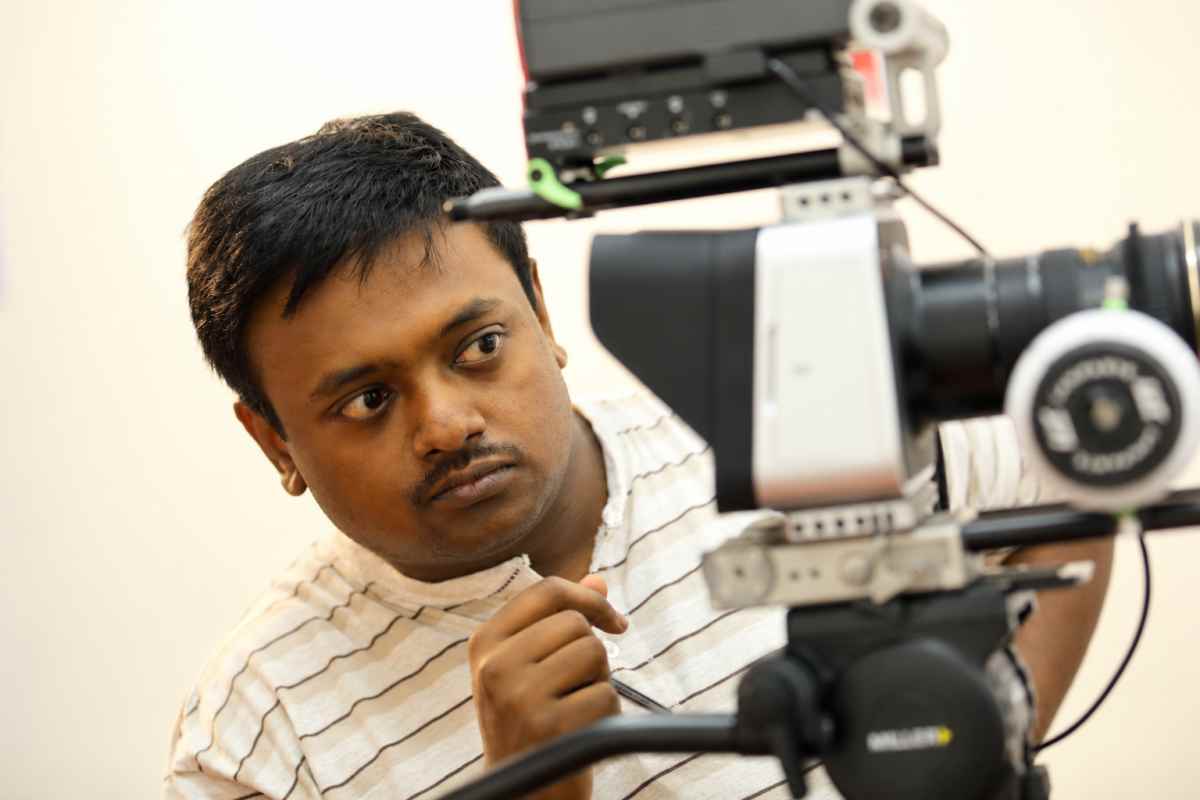
Western Sydney-based independent filmmaker, writer and founder of JUVI Films Julian Karikalan is challenging the traditional multimillion-dollar production model with what he calls “prudent filmmaking,” a new approach that combines technology, solo filmmaking skills and micro budgets
Karikalan is challenging one of the entertainment industry’s most entrenched beliefs, that making an extraordinary feature film requires millions of dollars, enormous crews and mountains of equipment.
The Western Sydney filmmaker is pioneering the radically stripped-back approach.
Combining modern technology, multiple filmmaking skills, creative energy and dramatically smaller budgets, prudent filmmaking enables filmmakers to take a project from script to screen without the traditional production machine behind them.
Karikalan said the process works and he has already put the concept to the ultimate test.
He made his feature film Let’s Go Below The Rainbow for approximately AUD $24,000, operating effectively as a one-person film crew outside of the actors.
Karikalan personally managed the filmmaking process from script through production and post-production.
The film went on to generate more than 10 times its production budget in gross revenue through OTT platforms organically, finding much of its audience in the United States despite remaining relatively unknown in Australia.
Karikalan believes the result demonstrates just how dramatically technology has changed what is possible for independent filmmakers.
“The old idea is that if you want to make a feature film, you need a huge budget, a large specialist crew, lots of equipment, investors and an enormous production infrastructure,” Karikalan said.
“I don’t believe that is necessarily true anymore. Technology, distribution and audiences have changed over the years so it makes sense that the way we make films should change too,”
“Prudent filmmaking is about stripping filmmaking back and asking a very simple question: what does the audience actually need to see, hear and feel for a story to work?”
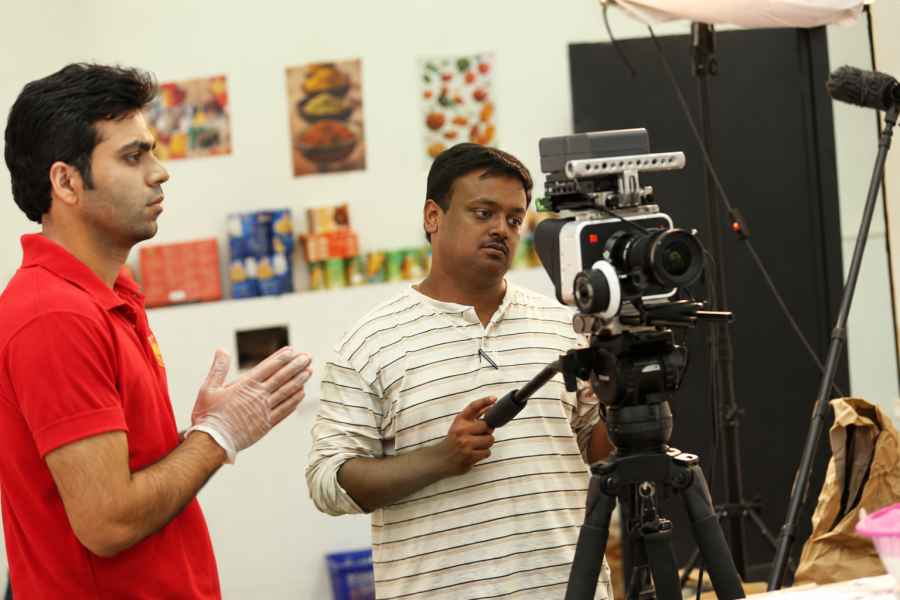
The rise of the micro filmmaker
Karikalan believes a new generation of micro filmmakers can emerge as technology increasingly enables one person to perform tasks that traditionally required multiple specialists.
Cameras have become smaller and more capable. Editing and post-production tools have become accessible on ordinary computers. Digital platforms provide international distribution opportunities and filmmakers can now develop multiple technical and creative skills themselves.
Karikalan said the implications could be profound.
“Filmmaking has traditionally divided every part of production between different people. There is a writer, director, producer, cinematographer, camera operator, editor and a long list of other roles,” he said.
“Those skills are enormously valuable, but the question I started asking was how many of those jobs can one person learn to do when the budget doesn’t allow you to employ everybody?
“Instead of saying I don’t have enough money to make my film, I started to focus on how much of this can I actually do myself.”
From a crew of 10 to a crew of one
Karikalan’s filmmaking evolution began with Love and Love Only, which he made during 2013–2014 for approximately $100,000 with a crew of fewer than 10 people.
The film, which featured music by celebrated Indian composer Maestro Ilaiyaraaja, ultimately recovered its investment. However, Karikalan wanted to push the concept much further.
For Let’s Go Below The Rainbow, he reduced the budget to approximately $24,000 and effectively reduced the filmmaking crew to himself. He self-funded the project without financial support from film funding bodies or private investors.
“The first film showed me that you could make a feature with a small crew,” Karikalan said.
“The next challenge I focused on was whether I could make one virtually by myself and once I worked through everything, I realised that I could and so I did.”
A $24,000 film that returned more than 10X
For Karikalan, the most important validation did not come from within the film industry, it came from audiences. Let’s Go Below The Rainbow went on to generate more than 10 times its approximately $24,000 production budget in gross OTT revenue organically.
The achievement was particularly significant because streaming can generate relatively small amounts per viewing, requiring the film to reach a substantial audience to generate six-figure gross revenue. Ironically, much of that audience was thousands of kilometres away.
“Most Australians have probably never heard of the film, but people in America watched it,” Karikalan said.
“That is another part of the revolution. A filmmaker sitting in Western Sydney can make a movie for $24,000 and find an audience on the other side of the world.
“You no longer necessarily need somebody in the traditional industry to decide that your story deserves to reach an audience.”
Stop making films for filmmakers
At the heart of prudent filmmaking is another idea Karikalan believes the industry needs to confront: filmmakers can spend too much time and money trying to impress other filmmakers.
He argues that every dollar, piece of equipment and person involved in a microbudget production should ultimately contribute to the experience of the viewer.
“Filmmakers notice things that ordinary audiences often don’t. If you have unlimited money, you can spend it everywhere but if you only have $24,000, you can’t. You have to become incredibly disciplined about identifying what actually matters,” Karikalan said.
“My philosophy is to make films for audiences, not for your filmmaking peers.
“If the audience believes the characters, becomes emotionally invested and wants to know what happens next, you’ve achieved something incredibly important.”
An alternative for filmmakers waiting for their break
Karikalan now wants to turn prudent filmmaking from his personal production methodology into a broader filmmaking movement.
He is developing the concept for aspiring filmmakers who have stories to tell but believe they cannot begin because they lack funding, equipment, industry contacts or access to traditional production pathways.
His intended audience includes aspiring writers and filmmakers, independent creatives, film-school graduates and what he affectionately describes as ‘film school rejects and curious rebels’.
He is exploring a prudent filmmaking community, training and educational resources, as well as a potential book explaining the methodology.
“I think there are thousands of people sitting on extraordinary stories because they’re waiting for somebody to give them money or permission to make them,” he said.
“Some will keep waiting for the traditional door to open. I want to show people there may be another door.
“Micro filmmaking isn’t about making a lesser film. It’s about finding a smarter, more prudent way to get an extraordinary story onto the screen. The technology is here, the distribution platforms are here and the audience is out there.”
“Sometimes what is missing is simply somebody deciding: I’m going to make this film.”
About Julian Karikalan
Julian Karikalan is a Western Sydney-based independent filmmaker, writer, founder of JUVI Films and creator of the concept, prudent filmmaking, a microbudget filmmaking methodology combining technology, multidisciplinary skills, minimal crews and carefully targeted resources to create films for everyday audiences.
His feature Let’s Go Below The Rainbow was produced for approximately AUD $24,000 using an effective one-person-crew model outside of the actors and subsequently generated more than 10 times its production budget in gross OTT revenue organically.
Julian’s films have received recognition at independent international film festivals including the Amsterdam International Film Festival, Tiete International Film Festival and Anatolia International Film Festival.
He is now developing prudent filmmaking into a broader movement to help independent storytellers turn their ideas into completed films without waiting for traditional budgets, crews or industry permission.