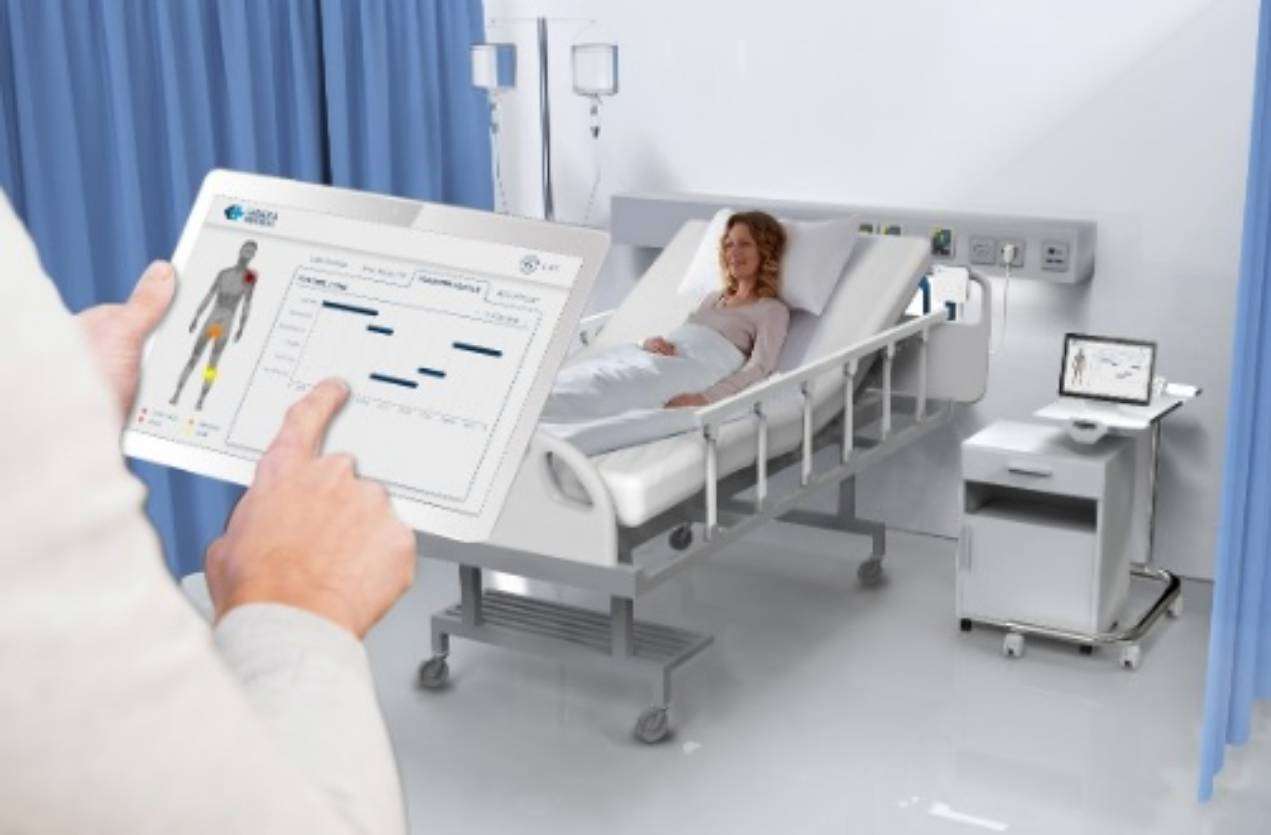


Australian health technology innovator Lenexa Medical has been recognised on TIME magazine’s World Top HealthTech Companies of 2025 list, highlighting its groundbreaking LenexaCARE pressure injury prevention system.
LenexaCARE uses a fabric-based sensor embedded within any mattress to monitor patients and detect early signs of pressure injury risk — alerting carers before damage occurs.
Following successful hospital trials, the technology is now being rolled out across Australia and international markets.
The TIME list, developed in partnership with Statista, identifies the world’s most impactful health technologies based on financial performance, reputation, and online engagement.
“We are humbled to receive recognition from TIME Magazine, alongside heavyweights in the Medtech space,” CEO of Lenexa Medical Ajit Ravindran said.
“We want to take the opportunity to thank our community, and the healthcare workers and institutions that have integrated LenexaCARE so that more patients and their families can rest easy.”
Dealing With Pressure Injury
Current methods of dealing with pressure injury avoidance rely on carers regularly repositioning patients at their discretion, however the ongoing high incidence of PIs shows this approach is not enough, even though most pressure injuries are preventable.
“The problem health teams are facing is that you can’t see a pressure injury forming until it’s set in,” explains biomedical engineer and CSO at Lenexa Medical Will Yang.
“LenexaCARE’s sensor technology detects what the naked eye can’t, assisting carers that are overwhelmed and facilities that are overburdened, particularly in aged care with an ever-increasing ageing population adding to the pressure.”
Over $200 billion globally is estimated to be spent annually on the treatment of pressure injuries – with more than $9 billion attributed to Australia alone.
Across all deployments worldwide, patients with LenexaCARE are showing zero pressure injuries to date. The approving nod from TIME comes as Australia’s aged care reforms are directing Providers to adopt innovative technology to evolve the standard of care.