

Just over a week ago eSafety Commissioner, Julie Inman Grant, gave a speech at the National Press Club of Australia in Canberra. The core message of which was that despite Australia’s world-leading under-16 social media ban looming, one key player, Youtube, had somehow dodged the draft.
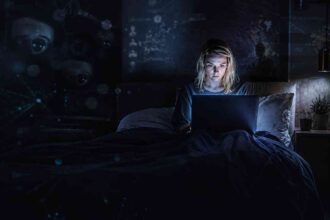
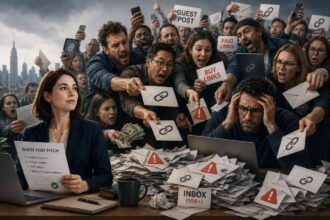
With over 500 hours of content uploaded every minute, YouTube offers a veritable ocean of videos that range from seemingly altruistic educational tutorials, light-hearted entertainment, and creative showcases, to the dangerous, manipulative and shocking. Not to mention “the comments section”.
With such a colossal torrent of content surging day after day, and so little time and methods to wade through it, concerns have rightfully been raised about the platform’s impact on young users.
The eSafety commission instructs the Gen Alphas to swim between the digital flags. But by placing the onus back onto them, are we asking them to tread water in a tidal wave?
As a result of mixed public and policy maker reactions, there’s now a chance YouTube will in fact be included in the country’s upcoming under-16 social media ban. But is it likely? And what will it mean for our adolescents, parents, as well as content creators, and related industry professionals?
Policy Background
The Online Safety Amendment (Social Media Minimum Age) Act 2024 mandates that social media platforms prevent children under 16 from creating accounts.
Initially, YouTube was exempted due to its perceived educational value and lobbying efforts by its global CEO. However, this exemption has faced criticism for being inconsistent with the Act’s objectives.
The Case Against YouTube
According to the eSafety Commissioner, a recent survey of over 2,600 children aged 10 to 15 investigated the types of harms kids faced online, and the findings were deeply concerning.
Children reported that 75% of this harmful content was most recently encountered on social media. YouTube was the most frequently cited platform, with almost 4 in 10 children reporting exposure to harmful content there.
YouTube’s autoplay feature and recommendation algorithms, have also been blamed for leading users down harmful content rabbit holes. The tragic case of teenager Molly Russell in the UK, who died after exposure to such content, underscores these dangers.
This comes amid reports from the New York Times that YouTube has quietly scaled back its content moderation efforts, allowing more harmful videos to stay up, even when they breach the platform’s own guidelines.
YouTube’s Response
YouTube contends that it is a video-hosting service, not a social media platform, emphasising its educational content and safety features like the YouTube Kids app.
Rachel Lord, YouTube’s public policy lead, argues that, “YouTube is not a social media platform; it is a video streaming platform with a library of free, high-quality content, and TV screens are increasingly the most popular place to watch.”
Additionally she insists restricting account access could reduce protections for young users and that the platform’s classification should differ from traditional social media.
Parent and Child Reactions
Many parents support the proposed inclusion of YouTube in the under-16 ban, citing concerns over their children’s exposure to harmful content. Some have shared personal experiences of their children encountering inappropriate material on the platform, reinforcing the call for stricter regulations.
Born Social is a boutique marketing agency in Melbourne with many working mothers in its ranks. Below we hear from Mel and her reactions to the ban and its effects:
Mel – “At our place, YouTube’s limited to pre-approved, educational channels, and only in shared spaces where I can hear what’s going on. No handheld devices.
“My son gets an eye twitch from too much screen time. As he gets older (10+), I’d rather he not use it at all. I’ve seen how it affects older kids’ focus and social skills, and I think parents need more information on what screens are really doing to kids’ brains,”
“Overall I support the ban and would love to see something like a “YouTube Learn” – a safer, kid-friendly version focused on learning, rid of the usual pranks and dodgy content creators.”
Karmijn – “As a parent of two young children, I’m really supportive of this social media ban. It’s reassuring to see the Australian government acknowledging just how much harm these platforms can cause to young minds.
“From impacting their mental health to exposing them to content they’re not ready for. I think this is a really positive step towards protecting kids during their most formative years, and it sends a strong message that their wellbeing comes first.
“I do hope strong measures are put in place to uphold this, because the reality is, when something is banned, kids often become even more curious and try to find ways around it,”
“While I fully support the ban and believe it’s a positive move for children’s wellbeing, it will only be effective if platforms are held accountable and age restrictions are properly enforced. Otherwise, it risks becoming more of a symbolic gesture than real protection.”
However, the conversation of how exactly the ban will work logistically is a persistent theme amidst parents and kids alike. The ABC released a disheartening if not comical short of Australian kids reacting to tech verification fails.
Implications for Marketers
Similarly in tech, there’s a chorus of scepticism surrounding the rollout of the ban, let alone who will be on the final list of banned sites and platforms.
Antonio Panuccio from advertising service provider, Enigma, was quoted as saying, “there’s no consensus on how it will work” although his recommendations involve, “against YouTube’s inclusion whilst recognising the algorithm and features need some reconfiguration for younger audiences”.
“If/when it is successful, brands targeting youth audiences may need to adjust their strategies. With potential restrictions on YouTube, marketers might shift focus to platforms like gaming, audio, or parent-focused content,”
“Compliance with age-verification policies will become increasingly critical, and creative approaches to reach audiences through web development, UI, email, and SMS may gain prominence by necessity,”
Expert Brand Insight
Janelle, Co-founder at Born Social, shares her perspective, “As a mum and a marketer I am ecstatic about the prospect of creating safer spaces for adolescents online,”
“Safety should come first and I think it will actually make cutting through the noise (or brain rot) easier. There are many arrows in our quivers. Evolving, staying creative and agile, it’s just a part of the game.”
Final Thoughts
The review of YouTube’s inclusion in Australia’s under-16 social media ban is expected by December 2025. As the digital landscape evolves, platforms, families, and advertisers must prepare for potential shifts in content regulation.
While the future is bright, the road to get there is far from paved. One thing’s for sure our marketers and content creators will find a way.
The initiative could set a global precedent for youth content regulation, emphasising the importance of creating safer online environments for younger audiences; for that reason it could be worth giving it a like and subscribe.