AI-first observability tools provide organisations the opportunity to move beyond monitoring systems to actively improving how they operate.
As infrastructure becomes more complex and distributed, the ability to turn observability data into meaningful operational action is becoming increasingly crucial.
Despite huge investments in observability tools, many organisations are still stuck reacting to incidents instead of preventing them.
According to LogicMonitor’s Observability & AI Trends 2026 report, organisations already have huge volumes of telemetry data, yet many still struggle to generate actionable intelligence and operationalise it. ¹
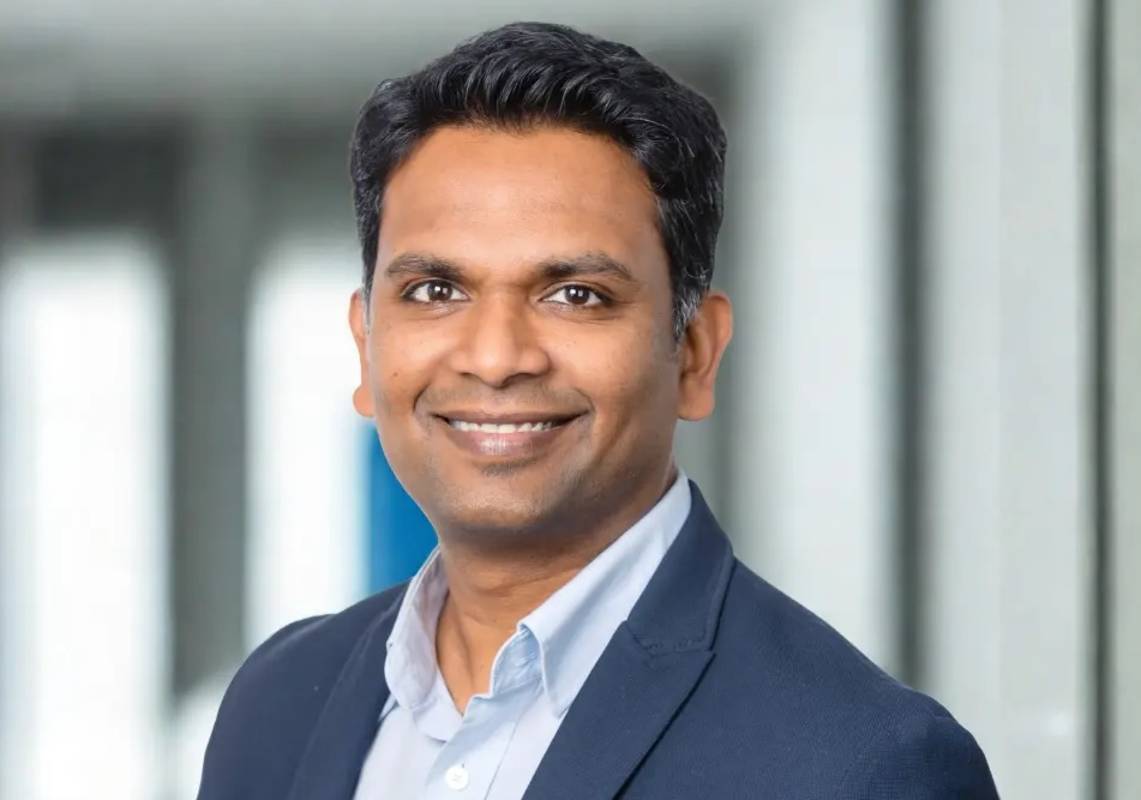
“Organisations today have more visibility into their systems than ever before; however, visibility alone doesn’t resolve incidents,” said Karthik SJ, general manager of AI, LogicMonitor.
“The real value of AI in observability comes when it can help teams move from understanding what is happening to safely acting on those insights in real time.”
“The barrier is not a lack of data or technological capability, it is trust.”
“For AI to move from analysing systems to actively operating them, IT leaders need confidence that automated decisions will be safe, transparent, and accountable”
“Trust mechanisms are what transform AI from a helpful assistant into a trusted operational actor.” said Karthik SJ.
Explainability Is Key To Trust
An imperative element of gaining trust is explainability. If AI recommends an action to execute, organisations need to see the reasoning behind that decision. They also need insight on how a conclusion or a recommendation has been reached.
Without this transparency, AI decisions appear like a black box; the input and output are visible, yet there is a lack of knowledge on what has gone on in between. This causes hesitation in trust towards automated remediation, and troubleshooting becomes harder.
Explainability turns AI from mysterious automation into a collaborative tool.
“The lack of trust some companies may feel with AI isn’t entirely irrational. Most organisations are still early in adopting AI for operational decision-making, so the fear of the unknown remains imminent,”
“In conjunction with this, the increase in responsibility that AI observability already has in operational decisions can carry real risks. When AI moves from analysing data to intervening in live systems, the consequences of mistakes become much more significant.” said Karthik Sj.
Guardrails help mitigate this risk by limiting which actions AI can take automatically, requiring approval for high-risk changes and validating decisions against operational policies.
Autonomous operations need clear boundaries set and the appropriate guardrails in place to prevent AI errors from becoming major operational incidents.
Human Oversight Is Always Essential
For this reason, integrating automation into an enterprise should be progressive rather than immediate. At the first stage, AI functions primarily as a monitoring and detection tool.
It analyses telemetry data like metrics, logs, traces, and infrastructure signals to identify anomalies that suggest something could be wrong.
“As systems mature, AI begins to act more like an advisor,” said Karthik Sj. “It not only detects problems; it also recommends potential solutions based on historical incidents and patterns.
“Human operators remain firmly in control, approving or rejecting these recommendations while benefiting from faster diagnosis and improved context. Organisations may then let AI perform certain safe actions automatically once it has demonstrated reliability.” he said.
In the most advanced stages, AI can operate parts of the infrastructure autonomously by detecting incidents and identifying root causes to initiate remediation workflows.
This can stabilise systems without waiting for human approval. However, even at this stage, humans must remain as overseers, defining the policies and monitoring the outcomes.
The balance between automation and supervision is what lets organisations safely transition toward autonomous IT operations. AI-driven observability will only deliver real value when it moves beyond surfacing insights to safely taking action.
“Dashboards and alerts have long helped organisations understand what is happening across their systems,”
“However, as digital environments grow more complex and distributed, relying solely on human operators to interpret data and respond to incidents is becoming increasingly unsustainable,” said Karthik Sj.
“The future of observability will not be defined by more sophisticated dashboards or faster alerts. It will be defined by an organisation’s ability to operationalise AI safely, moving from insight to intervention, letting systems be observed and intelligently operated.” concluded Karthik Sj.