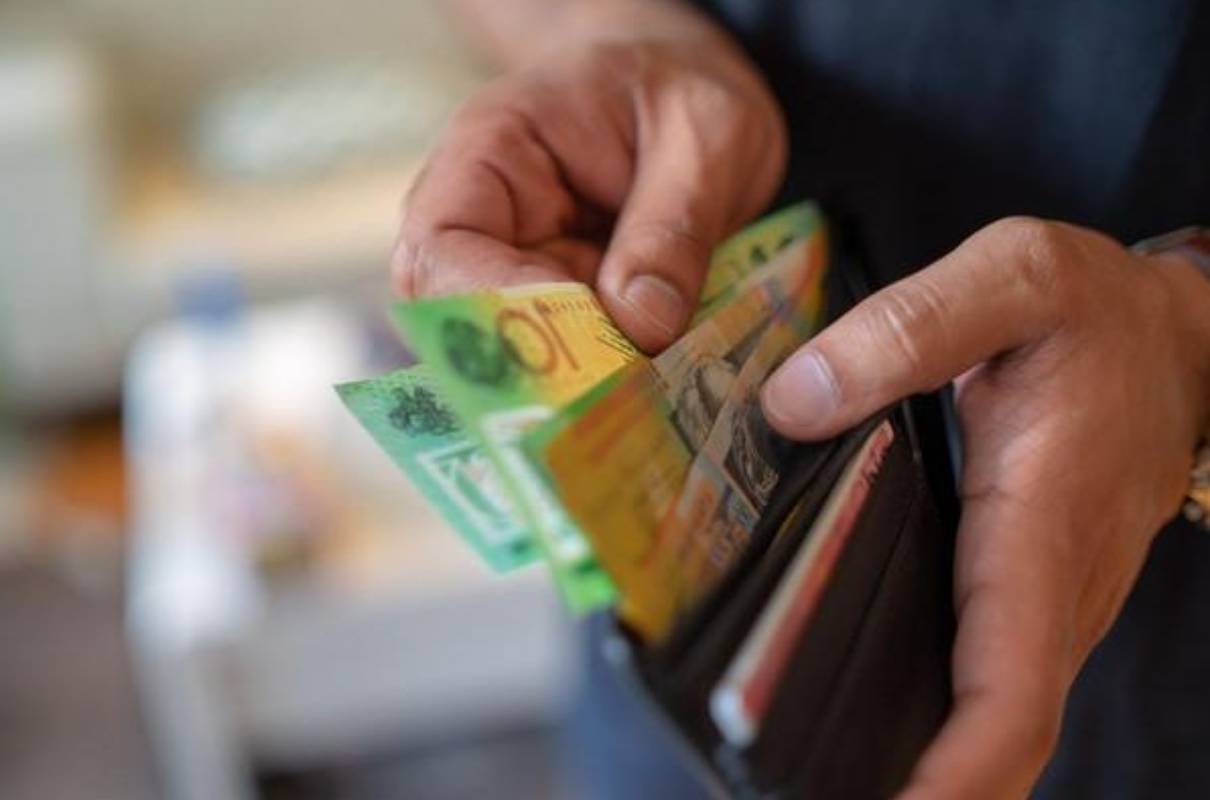
More Australians are turning to side hustles as a way to manage rising living costs, with new research showing more than half of the population is either already earning extra income outside their main job or seriously considering it.
A recent survey found that 27% of Australians are currently through a side hustle or micro-business, while another 28% are considering launching one within the next year, highlighting the growing role of supplementary income streams in household finances. (Over 55%)
“The side hustle economy is now firmly re-shaping how people work and earn,” said Anthony Mathews, Westpac National General Manager, SME and Small Business.
“And it isn’t just a big city phenomenon. Australians in regional areas are just as innovative and engaged in side hustles as those in our capital cities.”
Extra income is driving the trend
For most people, the motivation is clear: earning more money.
More than three-quarters (77%) of those with — or considering — a side hustle say supplementing their income is the main reason behind it. The motivation is particularly strong among women (83%) and regional Australians (83%).
“While financial relief is the primary driver, we’re also seeing Australians pursue side hustles for personal fulfilment, flexibility, and to explore their passions,” Mathews added.
Younger Australians leading the way
The data shows participation is highest among Australians under 50, with those aged 18–34 averaging 1.75 different side hustles when they operate one.
Among the most common activities are:
- Retail and e-commerce (30%)
- Creative content (20%)
- Gig-economy services such as rideshare driving (18%)
“Whether it’s someone selling homemade ceramics at the local markets, providing graphic design services on weekends, or dog walking in their local area, there is no end to Australian ingenuity,” said Mathews.
“Side hustles are helping people earn extra income, often while doing what they love,” he said.
Queenslanders appear the most likely to have an additional income stream, with 34% currently earning through a side hustle, followed by Victoria (28%) and NSW & ACT (23%). – More than 55% overall.
Interestingly, participation rates are almost identical between metropolitan and regional areas, with 27% of metro residents and 28% of regional Australians reporting they currently have a side hustle.
Earnings vary widely
While most side hustles bring in relatively modest income, the earnings potential varies significantly.
Around two-thirds (67%) earn less than $500 per month, while 18% generate $1,000 or more. On average, side hustlers earn around $736 a month, equivalent to roughly $8,800 a year.
Most people (62%) plan to keep their side hustle as a small supplementary income stream. However, 30% hope to eventually scale their venture into a part-time or full-time business.
“The potential of side hustles shouldn’t be underestimated,” said Mathews.
“At Westpac, we’ve seen many examples of successful global businesses that started as side hustles. Great Australian business success stories often start with one person who sees a problem they can solve and has the guts and the right support to bring that idea to reality,” he said.
Informal advice networks dominate
Despite the growing interest in entrepreneurship, most side hustlers rely on informal sources of support rather than professional advice.
The most common resources used include:
- Friends and family (36%)
- Social media groups (34%)
- YouTube tutorials (31%)
“The research suggests that formalised supports, such as government programs and advice from financial institutions, are under-utilised.
“There’s a clear opportunity to better support Australia’s side hustle economy with education and practical resources to help them scale their businesses.”
“From a finance perspective, for example, we often hear feedback from our customers that separating business and personal finances gives them clearer insights into what their business is generating – what’s coming in and what’s going out.”
“We also currently have a $100 cashback offer for eligible customers opening a new Westpac business transaction account,” Mathews said
Top reasons Australians start side hustles
- Earn extra income to ease financial pressures – 77%
- Personal fulfilment – 31%
- Flexibility and/or independence – 29%
- Explore passion and/or creativity – 29%
- Build long-term wealth – 27%
Biggest barriers to starting or growing a side hustle
- Lack of time – 33%
- Work-life balance – 28%
- Lack of knowledge / don’t know where to start – 28%
- Upfront costs of tools or equipment – 27%
- Lack of confidence – 25%
Top Australian Side Hustles in 2026
| Category | Side Hustle | Earnings | Platform |
|---|---|---|---|
| High-Paying | Removalists | $96.10/hr | Airtasker |
| High-Paying | Gardening | $191.47/job | Airtasker |
| High-Paying | Cleaning | $191.64/task | Airtasker |
| High-Paying | Online Tutoring | $101/hr | Online |
| High-Paying | AI Prompt Engineering | $25–$200/hr | Freelance |
| High-Paying | Consulting | $80–$150+/hr | Contract |
| High-Paying | Content Creator | $1,200+/month | Social |
| Flexible | Freelance Writing | $45.70/hr | Upwork / Fiverr |
| Flexible | Graphic Design | $43.59/hr | Upwork / Fiverr |
| Flexible | Video Editing | $40.18/hr | Upwork / Fiverr |
| Flexible | Virtual Assistant | Varies | Freelance |
| Flexible | Rideshare / Delivery | $69.70/hr | Uber |
| Flexible | Selling Goods | ~$900/month | eBay / Facebook Marketplace / Gumtree |
| Flexible | Renting Room | $761/month | Rental Platforms |
Australia’s Growing Side-Hustle Culture Is Emerging
Australia’s growing side-hustle culture is emerging alongside a broader shift in the labour market, with freelancing and independent work becoming a significant part of the national economy.
Recent labour market data from the Australian Bureau of Statistics shows there were around 1.1 million independent contractors in Australia in 2025, representing roughly 7.6% of the workforce.
When sole traders and other forms of freelance work are included, industry estimates suggest millions more Australians are earning income outside traditional employment structures.
At the same time, the gig-platform sector continues to expand rapidly, with analysts estimating the Australian gig economy was worth more than $9 billion in 2025 and is expected to grow strongly over the rest of the decade.
The shift is being driven by both workers and businesses. Increasingly, professionals are seeking flexible ways to earn income, while companies are turning to freelancers and project-based workers to access specialised skills on demand.
Together, the trends point to a structural shift in how Australians work and earn, with many moving beyond a single full-time role to build multiple income streams across freelancing, e-commerce, creative services and gig work.
Rising living costs and easier access to digital platforms are blurring the lines between employees, freelancers and entrepreneurs, pointing to a side-hustle economy that is becoming a lasting shift in Australia’s workforce rather than a passing trend.
In 2026, the strongest side hustles in Australia are centred on AI-driven content creation, online tutoring and specialised freelancing. Demand is also rising in areas such as digital marketing and virtual assistance