

IntellectAI, Lombard Odier, and Bendigo Bank among global enterprises that have modernised legacy applications with the MongoDB Application Modernisation Platform (AMP)
MongoDB, Inc has announced the launch of MongoDB AMP, an advanced AI-powered Application Modernisation Platform that helps global enterprises quickly transform legacy applications into modern, scalable services.
MongoDB AMP helps customers modernise through the fusion of an AI-powered software platform, a demonstrated delivery framework, and experienced AMP delivery engineers who oversee and guide the implementation process—a powerful combination of tools, technique, and talent.
As AMP’s foundation, MongoDB gives customers the flexibility of the document model and an architecture built for continuous change.
By combining AMP tooling with MongoDB’s demonstrated, repeatable framework, customers have seen tasks like code transformation sped up by 10x or more—with overall modernisation projects sped up 2–3 times.
Enterprises are struggling under the weight of legacy applications that remain mission-critical but costly to maintain and ill-suited for modern demands such as generative AI.
Locked into rigid data structures and outdated tech stacks, these systems slow innovation and create security and compliance risks.
The financial toll is staggering: the Consortium for Information & Software Quality estimates the cost of poor software quality and technical debt in the US alone at nearly $4 trillion.
According to RedMonk Research Director Rachel Stephens enterprises are increasingly grappling with the burden of complex legacy applications, constrained by rigid data foundations and outdated architectures that stifle innovation.
“While traditionally recognised for its database capabilities, MongoDB’s strategic expansion into an AI-powered Application Modernisation Platform highlights a critical understanding: the data layer remains an indispensable foundation for truly modern, scalable services,” said Stephens
“AMP empowers organisations to go beyond incremental ‘lift and shift’ migrations, instead focusing on full-stack transformation from the data up.” she said.
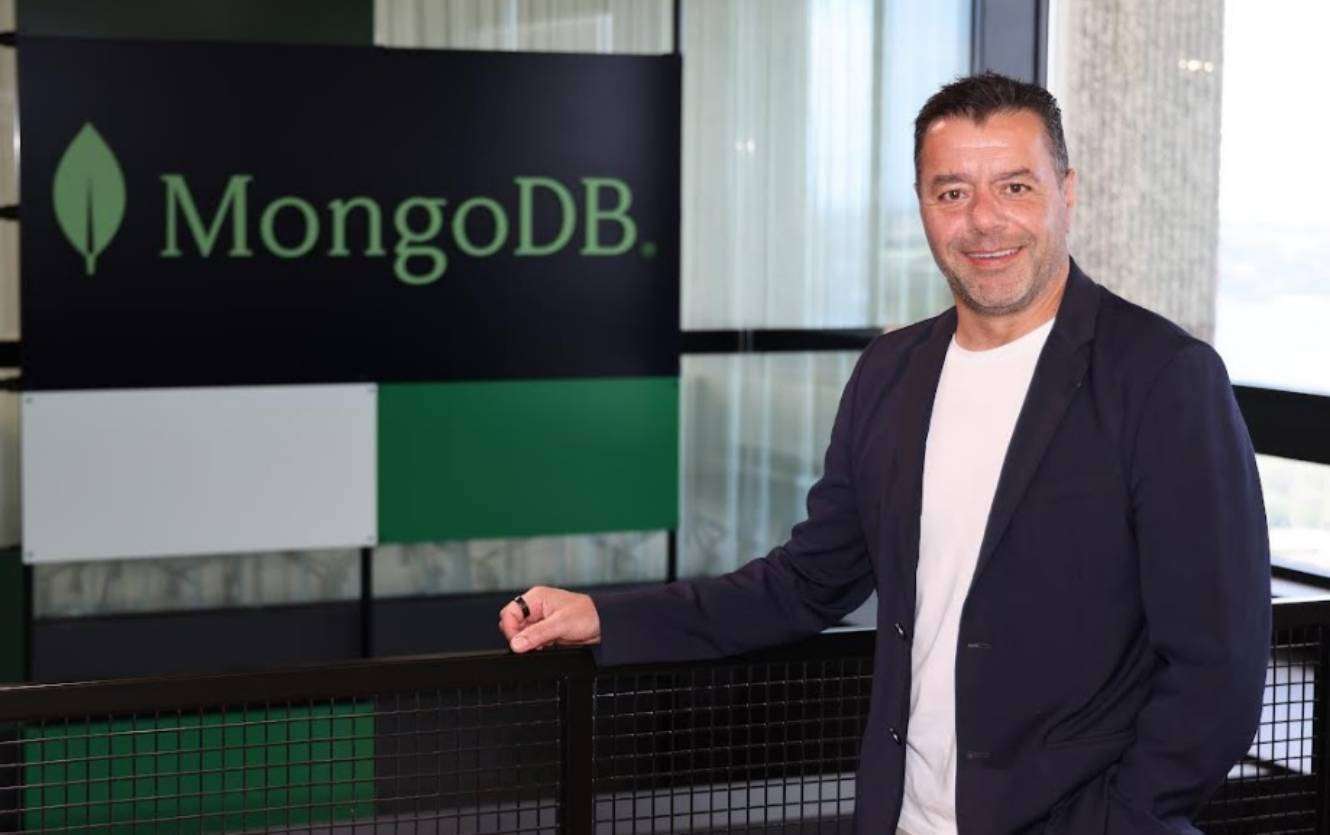
Commenting on Australia’s role in building and piloting AMP, Simon Eid, Senior Vice President, APAC, MongoDB said, “The launch of MongoDB AMP is a tremendous opportunity for Australian businesses to break free from the burden of legacy tech debt and to embrace an AI-driven future,”
“What makes it even more exciting is that some of the key elements of the platform were built right here in Australia by our brilliant local development teams,” said Eid
“Not only that, but Australia was one of the first countries where our customers piloted AMP and demonstrated the impact it could have,”
“This early adoption and customer feedback, combined with the talent of our local teams, played a crucial role in refining and strengthening AMP, ensuring it delivers lasting value to businesses across Australia and around the world.” he said
Application Modernisation
The traditional approach to application modernisation typically involves expensive multi-year consulting engagements that can be manual and resource-intensive—and which can stall out before delivering results, impacting time-to-market.
What’s more, some modernisation efforts seek to simply move legacy applications from one relational database to another (a “lift and shift” migration), instead of switching to a flexible, modern database solution.
“Research shows that too many organisations spend time and budget on low-value, high-effort work simply to keep the lights on—which impacts their ability to keep pace with competitors,” said Vinod Bagal, Senior Vice President, Modernisation and Transformation at MongoDB.
“MongoDB AMP offers enterprises a better approach to modernisation. It helps companies move from traditional to transformative with remarkable speed and quality, opening doors to innovation and cost savings.” he said.
MongoDB AMP is the result of years of innovation and development
The launch of MongoDB AMP is the culmination of more than two years of work developing this approach with some of MongoDB’s most sophisticated customers.
Notably, AMP has led to modernisation successes with customers in demanding, highly regulated industries. For example, Australia’s Bendigo Bank reduced the development time required to migrate a core banking application from a legacy relational database to MongoDB Atlas by 90%.
And with AI tooling, the bank was able to reduce the time spent running application test cases from over 80 hours to just five minutes.
Lombard Odier, meanwhile, successfully migrated key applications from its SQL database to MongoDB. This partnership resulted in migrating code up to 60 times faster and reducing regression testing time from three days to three hours, freeing developers to focus on innovation.
More recently, MongoDB worked with IntellectAI, one of the world’s largest enterprise fintech companies, to modernise critical components of its Wealth Management platform.
Intellect’s project with MongoDB led to improved performance and reduced development cycle times, and its platform is now better positioned to onboard clients, provide richer customer insights, and to unlock generative AI use cases across the firm.
“At IntellectAI, we are redefining how enterprises unlock value with AI,” said Deepak Dastrala, Chief Technology Officer at IntellectAI.
“Modernising with MongoDB has transformed how we deliver value to our customers, freeing us from bottlenecks and accelerating the realisation of our AI vision,” said Dastrala
One of the world’s largest sovereign wealth funds, managing trillions, relies on our flagship enterprise AI platform, Purple Fabric (powered by MongoDB), to drive real-time investment decisions. Together, IntellectAI and MongoDB enable clients to turn AI vision into measurable business impact.
With integrated capabilities for operational data, search, real-time analytics, and AI-powered data retrieval, MongoDB helps organisations everywhere move faster, innovate more efficiently, and simplify complex architectures.
Millions of developers and more than 50,000 customers across industries—including over 75% of the Fortune 100—rely on MongoDB for their most important applications.