Google’s latest guidance on AI search has triggered a fresh wave of debate across the SEO industry, with some digital marketers accusing the tech giant of downplaying the tactics that are actually influencing visibility inside AI-generated search results.
In a recent announcement and accompanying blog post, Google reiterated that the fundamentals of good SEO remain unchanged despite the rapid expansion of AI-powered experiences such as AI Overviews and AI Mode.
The company stated there are no special optimisation requirements needed for publishers or brands hoping to appear inside these AI-generated answers, maintaining that the same best practices used for traditional Google Search still apply.
According to Google, creating helpful, trustworthy, people-first content continues to be the strongest long-term strategy for visibility across both classic search results and emerging AI features.
The search engine giant also pushed back against the growing belief that brands need to aggressively manipulate online mentions or engineer artificial authority signals to gain traction inside large language model-driven systems.
However, those claims are now being publicly challenged by members of the SEO community who argue that Google’s public messaging does not align with what many marketers are seeing in practice.
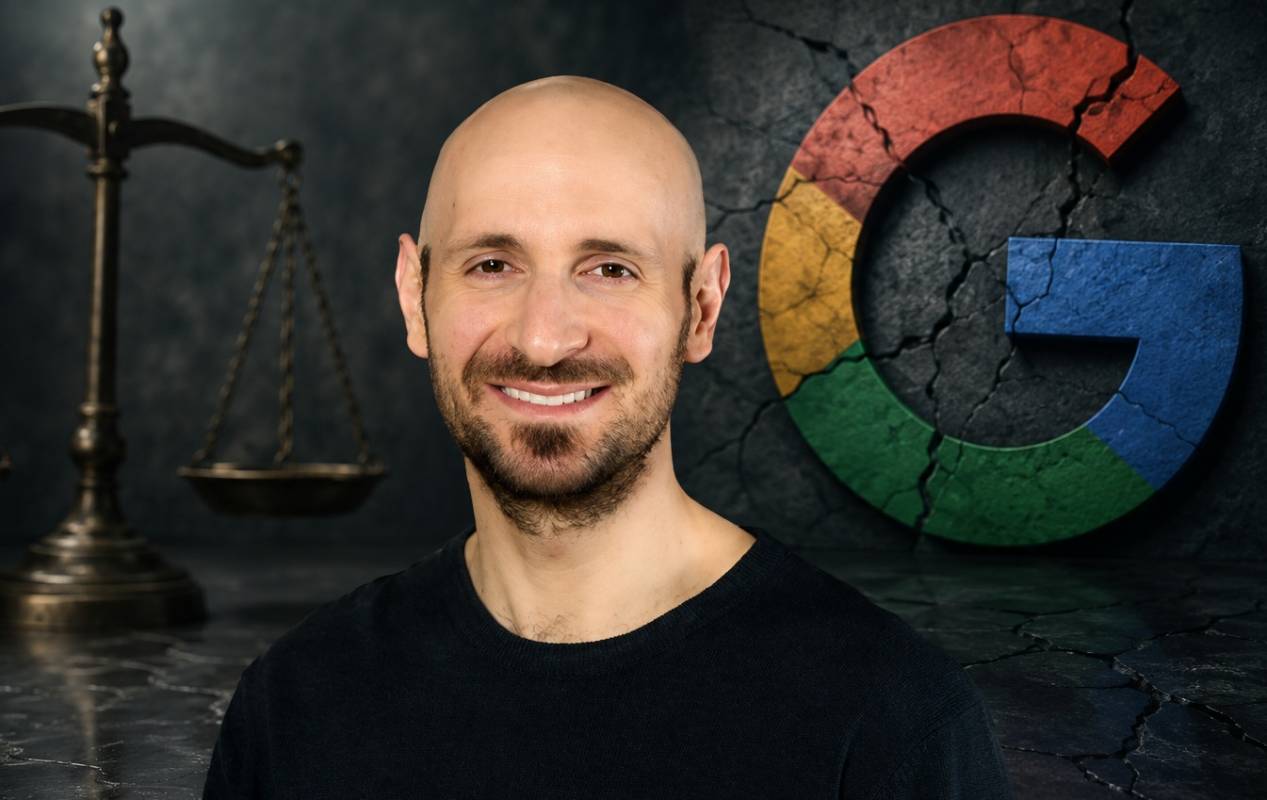
One of the vocal responses came from Peter Rota, a self-described Elite Tech & On-Page SEO Specialist, who suggests Google is “gaslighting” SEO professionals over how AI visibility actually works.
Posting to social media shortly after Google’s guidance began circulating online, Rota argued that inauthentic mentions and manufactured visibility signals still play a measurable role in how AI systems evaluate authority and citations.
“What no one is talking about with Google’s new AI SEO Guide,” Rota wrote, “is that seeking inauthentic ‘mentions’ actually improves your AI visibility. It’s not a myth.”
Rota went on to claim that large language models evaluate a brand’s entire online footprint — including blogs, forums, websites, discussions and third-party mentions — when deciding whether a source deserves to be surfaced or cited inside AI-generated answers.
“As a whole, AI and LLMs look at your whole presence online,” he wrote. “So for Google to say, ‘However, seeking inauthentic mentions across the web isn’t as helpful as it might seem,’ this is insane.”
His criticism reflects a growing frustration among some SEO professionals who believe Google publicly discourages certain tactics while privately fighting against them precisely because they still influence rankings and visibility.
Rota specifically pointed to Google’s ongoing crackdown on spam-heavy listicles and manipulated recommendation content as evidence that these methods continue to work despite the company’s repeated denials.
“If they truly meant this and it was not a PR statement, they would not be cracking down on listicles because they actually work,” he argued.
The comments quickly gained traction across SEO circles, reigniting a long-running debate over whether Google’s public guidance has always lagged behind the realities of search ranking systems.
For decades, many marketers have accused Google of simplifying its advice for public consumption while keeping the more influential ranking signals opaque.
Rota leaned directly into that distrust.
He says Google doesn’t go after something that is considered black hat or grey hat if it doesn’t work and produce results
“The reality is Google is lying about what actually works. They’ve been doing this for 27 years,” Rota said
The controversy arrives at a particularly sensitive moment for publishers, SEO agencies and digital businesses already struggling to adapt to the rise of AI-generated search experiences.
As Google increasingly integrates AI summaries and conversational search tools into its ecosystem, many companies are questioning whether traditional search optimisation strategies alone will remain enough to survive.
At the centre of the debate is a larger issue facing the industry: transparency.
Google insists there are no hidden optimisation frameworks required for AI search, while critics argue that AI visibility may depend more heavily on digital authority signals, entity recognition, and online discussion patterns than is publicly acknowledged.
For many SEO professionals, the concern is not just Google’s official advice, but whether it reflects what is actually happening in practice as the gap between guidance and real-world AI search behaviour continues to widen.