

New data shows Australian business leaders are embracing artificial intelligence in their own jobs while quietly losing confidence that their organisations can keep pace, with almost two-thirds planning to look for a new role within the next three months as AI rapidly reshapes the workplace.
New research from Page Executive’s 2026 Executive Compensation & Trends Report reveals a growing disconnect between personal enthusiasm for AI and organisational readiness.
83% of Australian executives using AI in their daily work and reporting positive results, but only 66% believing it is improving productivity across their organisation. While 75% of senior leaders do not expect AI to affect their own role at all.
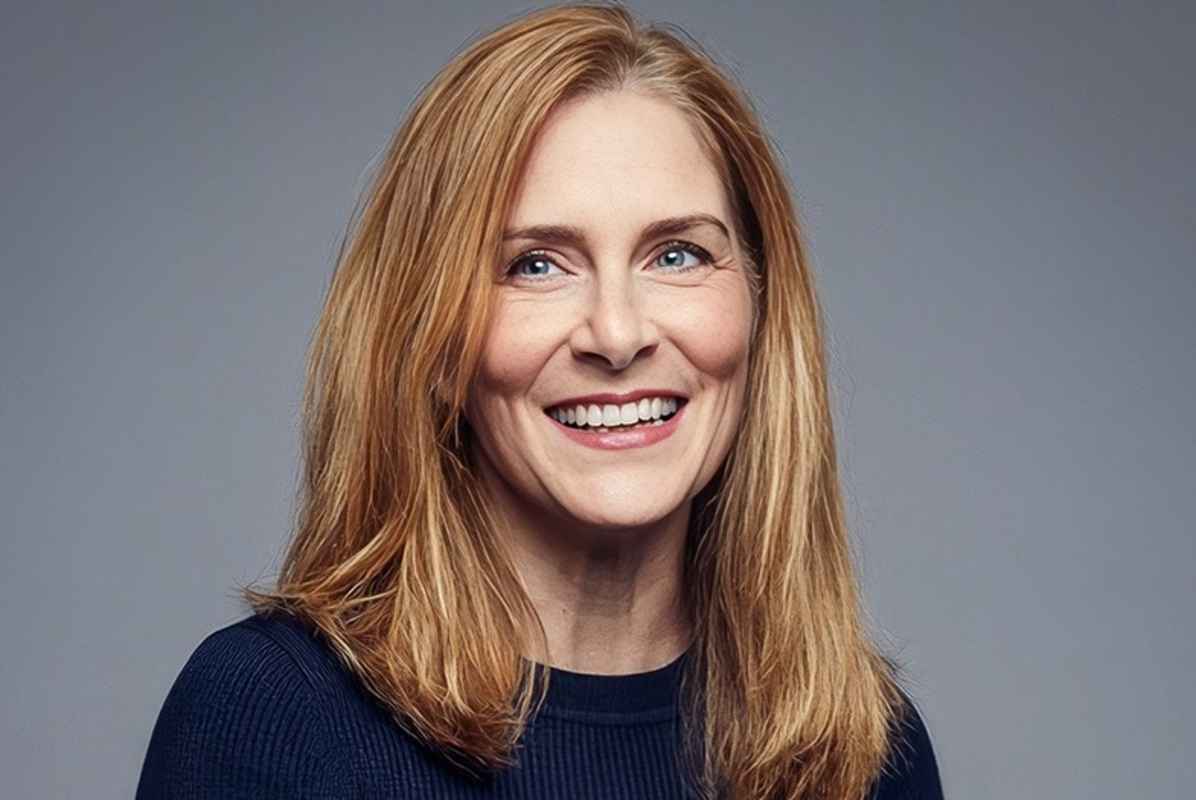
Molly Green, Head of Page Executive Australia warns Australian executives are personally embracing AI without fully appreciating its potential to reshape their own jobs, creating an interesting problem for businesses spending heavily on AI.
The technology appears to be making individual executives more productive, but that benefit is not necessarily making its way through the rest of the organisation.
“The findings show that Australian business leaders are already embracing AI and seeing tangible benefits in their own work. The challenge now is translating those individual gains into organisation-wide productivity improvements,”
“As AI adoption matures, businesses that invest in the right skills, processes and culture will be best placed to unlock its full potential,” Ms Green said.
The report also highlights that Senior leaders and managers aren’t seeing the future the same way.
Some 76% of Australian senior leaders and executives are confident their organisation can adapt to changing market conditions. However, among senior managers, that figure falls to 67%.
It may not sound like a huge difference, but senior managers are often the people who have to turn a strategy decided at the top into something that actually happens.
That is particularly relevant for major technology and AI projects, where enthusiasm at executive level does not always translate into adoption across the business.
“This was a surprising result. It really points to a strategic execution gap emerging at a time where businesses need to be agile in the face of volatile economic conditions and geopolitical shocks, from oil supply disruptions to AI and the rising cost of doing business,”
“Leadership alignment is critical here. Execution risk often sits between layers of leadership rather than in the strategy itself and that could mean expensive change initiatives stall – and it’s not because the strategy is wrong, but because the people expected to deliver it were never fully on board,” Ms Green said.
For businesses, the risk is that major initiatives can look successful in the boardroom while running into problems further down the organisation.
The research also suggests employers may need to rethink how they retain senior people.
Work-life balance was more important than salary for respondents, with 53% naming it as a key driver of job satisfaction compared with 46% for salary.
Two-thirds would also turn down a promotion if it came at the expense of their wellbeing.
Flexible and hybrid work was the most valued executive benefit.
That could make the return-to-office debate particularly relevant for companies trying to hold on to senior talent.
“Business leaders are also becoming increasingly value-driven. The data tells us they aren’t willing to compromise their wellbeing and work flexibility for a paycheck.”
“A lot of people in the C-Suite are in the sandwich generation and are raising a family and also dealing with older parents. They are looking for that balance that allows them to juggle both.”
“Despite the widespread commentary about returning to the office, the data tells us that Director and C-Suite employees value the flexibility they’ve become accustomed to and many are not willing to sacrifice it in changing jobs.”
Traditional executive perks may not be doing much to change that equation either.
Company cars remain a common incentive, but they did not make the top five benefits executives said they wanted.
The report also found that 73% of organisations are using skills-based hiring, although only 15% of executives said skills were prioritised over pedigree.
Taken together, the findings paint a picture of an executive workforce that is not necessarily looking to leave because of dissatisfaction with pay.
Instead, senior leaders appear to be weighing up whether their organisations are keeping pace with the changes around them from AI and productivity to flexible working and the ability to actually deliver on strategy.
For Australian businesses, that could make retaining experienced leadership more difficult at exactly the time they are asking those leaders to navigate another major period of technological and economic change.