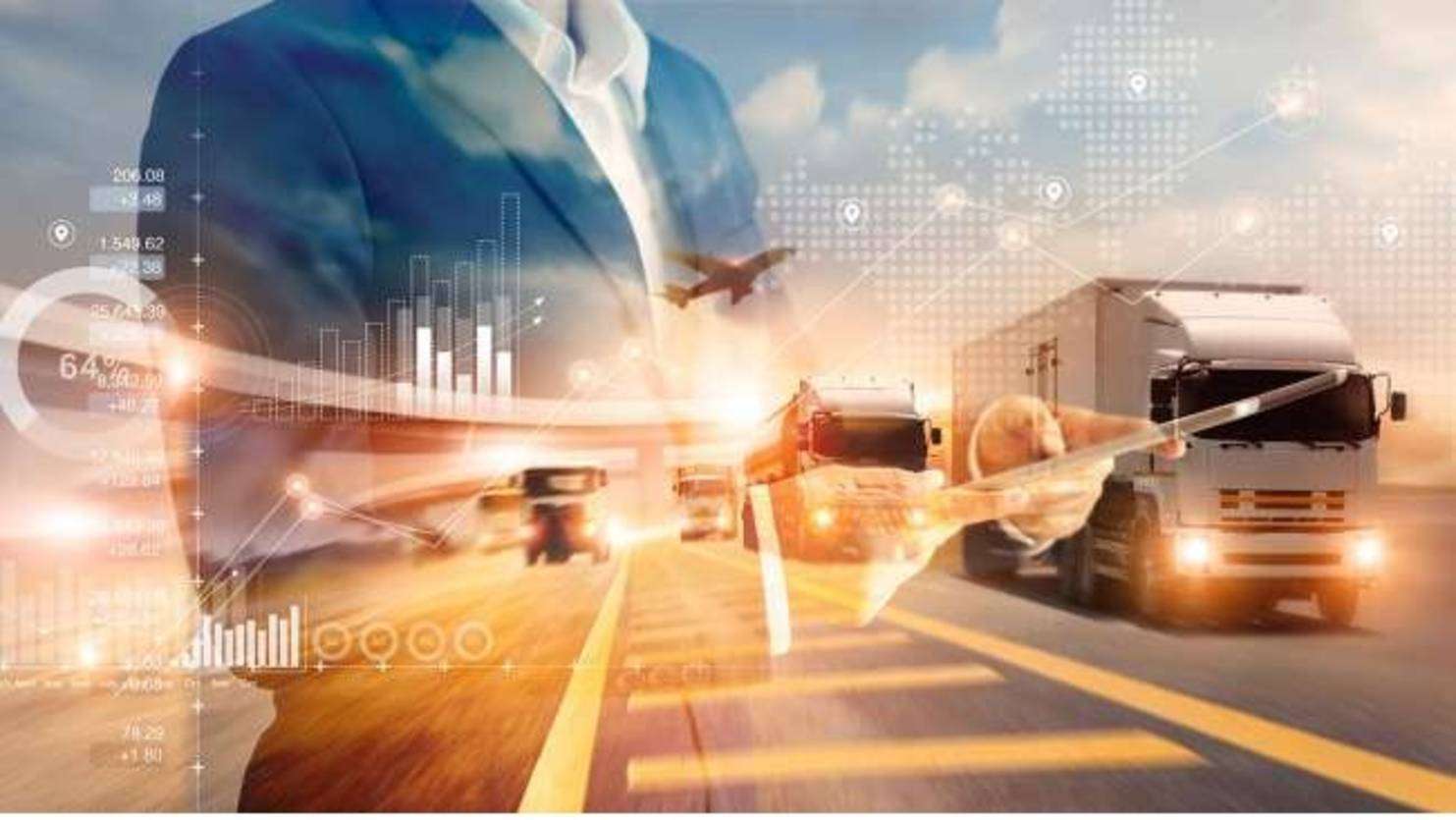


Australia’s freight and logistics machine is bracing for a digital jolt, with new industry research revealing an overwhelming majority of supply-chain chiefs expect technology to carve at least 5% off freight costs by the end of the decade.
The prediction lands at a moment when the nation’s delivery arteries are straining under the weight of soaring customer expectations—faster turnarounds, greater capacity, greener operations. The message from the sector is clear: evolve or fall behind.
According to Manhattan Associates APAC Vice President Raghav Siba transportation has evolved beyond simply moving goods from one place to another.
“It is about how fast, how efficiently and how sustainably businesses can operate. Australian organisations recognise the urgency of modernising their transport operations to stay competitive.” said Siba
Tech Takes the Wheel
In boardrooms across the country, optimism is brewing around the power of digital tools to tame ballooning operational costs and blunt the impact of relentless disruptions.
Leaders are doubling down on predictive analytics, artificial intelligence and next-gen data platforms—betting these technologies can sharpen demand forecasting and fine-tune decision-making from warehouse floor to last mile.
The research shows the shift is already well underway: 64% of organisations surveyed have deployed predictive analytics or AI-based forecasting, while more than half have woven these capabilities directly into their wider planning systems.
System Integration Steps Into the Spotlight
The research also flags a truth the sector has quietly known for years: without seamless integration, modernisation stalls.
63% of surveyed companies now have real-time links between their transportation management platforms and the rest of their supply-chain tech stack—an upgrade many say is no longer optional.
Executives point to one area where integration pays immediate dividends: syncing transport systems with warehouse and inventory tools.
That tighter digital handshake is already driving faster responses to market swings, cleaner operational visibility, and stronger control over spiralling costs.
Yet even with these strides, unease is creeping in. Every supply-chain leader surveyed voiced concern that their current transportation management systems are struggling to keep up with the sector’s race toward lower costs, higher speed, and more freight capacity.
The takeaway is unmistakable: data-driven platforms and real-time system integrations aren’t just on the horizon—they’re about to become the industry’s next rapid-fire upgrade cycle.
“The collapse of several long-standing transport operators this year shows how quickly the industry is changing,” said Sibal.
“Leaders recognise that resilience won’t come from adding more trucks or warehouses but from building smarter, more connected networks that can adapt when disruptions hit,” he said.
Sustainability Edges Into the Driver’s Seat
Sustainability has shifted from corporate footnote to core design principle, with more than half of organisations now fully compliant with the Corporate Sustainability Reporting Directive. And the momentum is building: 44% of businesses expect major leaps in transport sustainability by 2030.
Carbon reduction efforts and emissions reporting are increasingly being tied directly to business performance—an unmistakable signal that investors, customers, and regulators are turning up the heat on environmental accountability.
“Australian businesses are making steady progress, but continued investment in smarter systems and connected technologies will be essential to strengthen resilience, control costs and meet evolving customer expectations in the years ahead,” said Sibal.
Progress in Motion
Across the sector, visibility, system unification, and data intelligence have emerged as the new pillars of supply-chain strategy. Industry leaders say Australian businesses are charting real progress—but warn that the innovation tempo can’t ease up.
Keeping pace with rising cost pressures, supply-chain shocks, and ever-more-demanding customers will require a steady, sustained push into smarter, connected, data-rich