


Music technology is the application or study of any tool, device, machine or software by a composer or musician to create or play music; either to write, notate, compose or perform music or pieces; or perhaps to study or modify music for its composition, arrangement or performance.
The use of various apparatus or equipment in this process is termed as technology. Various types of technology are used and included in music technology. It includes the audio recording devices such as headphones, music mixers, recorders, digital audio boards, music software, computer programs, etc.
The field of music technology includes all these aspects. Among these, the audio recording technology is the most significant since it helps a lot to create and produce music.
Moreover, it also involves the composition part where the skills of the musicians are put to test by recording their performances. And the next aspect of this entire process is music theory, which refers to the systematic approach in music technology.
A student who studies music technology will be taught various concepts and skills such as music composition, arrangement, harmony, pitch, tone and so on. A student also learns about the various techniques used in music technology.
All these skills and concepts form the foundation for creating a sound world that can communicate effectively with its audience. And this music theory forms the base of a music program, which is an educational system for students interested in music technology.
They can also learn the different tools and hardware that are being used in today’s digital recording technology. All of these tools and hardware are also part of music technology and form the basis of the digital audio work.
It is also interesting for students to learn about digital technologies. Learning about digital technologies and how it works helps them to create high-quality audio tracks.
In fact, they can use this knowledge to build digital music synthesizers and other electronic gadgets that can run on music theory and the liberal arts. These gadgets can help students create sound collages and music movies..
Digital Music Learning Devices Drive Educational Technology Boom
Smart keyboards and learning apps fuel massive growth in music education technology sector
Music education technology reached unprecedented market expansion in 2024, as digital learning devices and smart instruments transformed how students engage with musical instruction, industry analysts report.
The global online music education market exploded from $17 billion in 2024 to an expected $73.27 billion by 2033, representing a compound annual growth rate of 17.63%.
Children’s music learning applications alone demonstrated exceptional growth, with the market valued at $247.6 million in 2023 and projected to reach $737.9 million by 2032 at a 12.9% CAGR.
Piano-focused learning technology dominated the sector, with digital piano courses anchoring 39.3% of revenue in 2024.
Smart keyboards featuring light-up keys and wireless MIDI connectivity emerged as breakthrough devices, with manufacturers like Gemini Sound introducing innovative products such as the PianoProdigy, a 24-key wireless learning keyboard that provides interactive visual feedback to students.
Educational apps revolutionised music instruction delivery, with platforms like Yousician and Simply Piano leading gamified learning experiences.
The institutional adoption of digital instruments accelerated significantly, as educators integrated touchscreen devices and virtual instruments into traditional classroom settings.
Major manufacturers responded to demand with advanced learning-focused features. Yamaha Corporation launched Audioversity Online in November 2024, a comprehensive training platform serving the professional audio education market.
Digital pianos now incorporate high-definition sound engines with multi-layer sampling and Bluetooth connectivity for seamless integration with learning applications.
This technological transformation reflects a fundamental shift toward interactive, accessible music education that combines traditional pedagogy with cutting-edge digital innovation.
Types Of Music Technology
1. Audio
2. Video
3. Visual
4. Media
5. Arts
6. Networking
7. Storage
For Steaming to Software
- Multitrack recording.
- Auto-Tune.
- Digital software.
- MP3 players / iPods.
- Digital streaming software.
- Loop pedals. …
- MIDI (Musical Instrument Digital Interface)
- Smartphones / iPads / Apps.
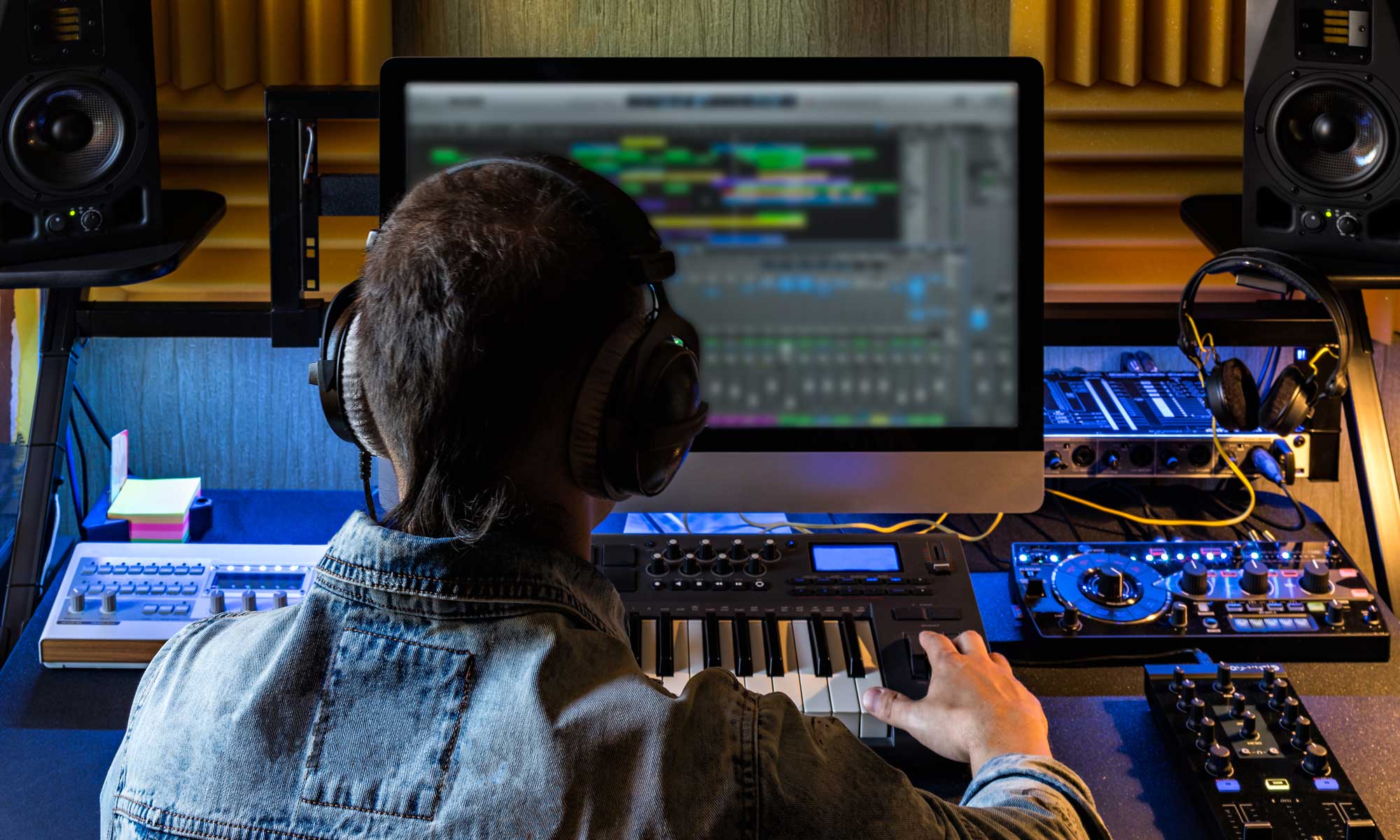
It doesn’t matter if you’re a rock star or a weekend warrior, you need to have the latest types of music technology to make yourself stand out from the crowd.
Networking and Audio Interfaces is key to make a show interesting and worth watching. If you are using a laptop or a Desktop PC for your shows make sure it has the following essential software:
Types of Music Technology. * Synchronised audio and MIDI networks. Analogue audio network (ASN), which is a collection of ASIO-enabled hardware devices (such as keyboards, musical playlists, digital audio workstations and recording and playback devices) linked via USB, requires an active conductor that is active all the time.
Types of Music Technology for the Performing Arts. * Digital Audio Workstations (DAW). Digital audio workstations (DAWs) are electronic devices such as digital synthesizers, digital audio workstations (DAWs) and digital audio work servers (DAWs – Servers). Digital audio workstations (DAWs) run on mainframe computers running on a PC or Mac OS.
Types of Music Technology for the Performing Arts. * Audio Visual Technology (AVIT). Audio visual equipment includes LCD displays, projectors and television screens. Audio visual equipment is commonly used in universities, training rooms, and hospitals.
Types of Music Technology for the Performing Arts. * Music Performance and Audio Technology. Music performance refers to using musical instruments as a medium to create and perform music. Audio technology refers to the utilisation of electronics in order to enhance the performance of sound systems. For instance, amplifiers and speakers may be added to electronic music systems.
Types of Music Technology for the Performing Arts. * Computer Aided Design (CAD). CAD is used by architectural and engineering firms for creating plans and 3D models of buildings and other structures. Audio visual software is used by music educators for editing, scoring and other recording aspects of audio-visual presentations.
Types of Music Technology for the Performing Arts. * Computer Aided Recording (CAD). Audio recording and editing are done by using specialized software designed for this purpose. Audio visual technology is used in combination with CAD to create audio and video presentations.
As you can see there are many different types of music technology that are used to educate, perform, create, or promote music. The use of these new technologies is only becoming more widespread in music education, performance, and marketing.
AI Revolution Drives Record Growth in Music Technology Sector
Global music industry revenues surge as artificial intelligence reshapes production and streaming landscape
The music industry’s technological transformation reached unprecedented heights in 2024, with industry revenues climbing to $29.6 billion, representing a 5% increase over the previous year, according to the latest IFPI Global Music Report.
Artificial intelligence emerged as the sector’s most disruptive force, with generative AI in music valued at $2.38 billion in 2024 and projected to reach $2.92 billion by end of 2025.
The AI music market demonstrates explosive growth potential, with analysts projecting expansion from $0.27 billion in 2024 to $0.95 billion by 2028, representing a compound annual growth rate of 28.8%.
Streaming platforms continue to dominate revenue streams, with 69% of industry revenue now coming from streaming services and streaming accounting for over 80% of total music industry revenues. The global streaming ecosystem now serves more than 750 million paid subscription users.
Industry experts predict AI-generated music will contribute to a 17.2% increase in music industry revenue by 2025, as platforms increasingly deploy machine learning algorithms for personalized recommendations and automated content creation.
Cloud-based AI solutions currently capture 71.4% of the AI music market share, enabling widespread adoption across production studios and streaming services.
The technological shift reflects a broader digital transformation that has fundamentally altered how music is created, distributed, and consumed globally.