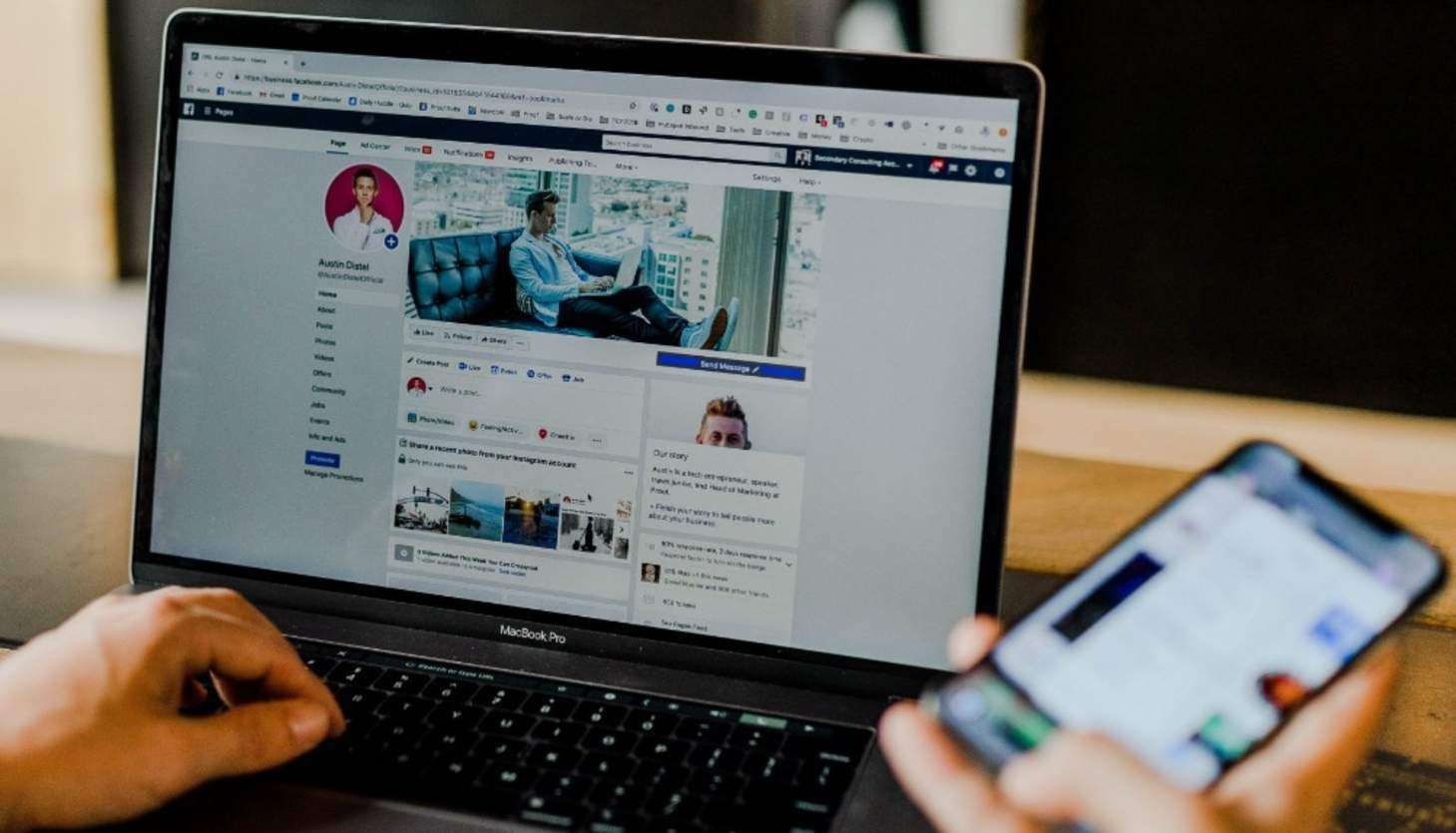


One thing has become clear: people are drawn to people, not faceless brands. The rise of social media influencers, personal branding, and relatable storytelling has shifted the focus from corporate messaging to genuine human connection.
Audiences want to engage with personalities they trust, stories they can relate to, and content that feels authentic—not a glossy ad or a cold sales pitch.
Brands that fail to recognise the shift risk being left behind, overshadowed by individuals who have mastered the art of building personal connections.
The Era of Personal Content
The new rules of content marketing prioritise individuality over corporate jargon. Consumers are more likely to follow a CEO sharing behind-the-scenes insights than a company posting promotional content.
They prefer the relatable struggles of an entrepreneur over generic “thought leadership” posts. This trend highlights a fundamental change in how trust is built online: it’s no longer about what your brand says it can do, but who within your brand is saying it.
To stay competitive, companies now need to embrace the shift by empowering their employees, founders, and leaders to become the faces of their content.
20 Rules for Modern Content Marketing
- People Follow People, Not Brands
Algorithms favor personalities over logos. Think about the last time you engaged with a post from a brand—chances are it was sponsored. - Trust Influencers, Internal and External
The key to reaching audiences is through influencers who already have their trust. - It’s All About Personalities
As One Useful Thing says, “Everything is a personality cult. Cultivate your own.” - Creators Are Your New Team
Content teams used to need writers and editors; now, you need trusted creators and influencers. - Leverage Your Internal Experts
If your audience is marketers, use your marketing team. If it’s engineers, make your engineers the stars. - The Founder Always Works
A charismatic CEO can elevate your brand, as seen with May Habib (Writer) or Kieran Flanigan (Zapier). - Content Should Come from Personal Accounts
Internal influencers need to share directly from their profiles, not your brand’s. - Help Your Team Become Creators
Most people have strong takes; it’s your job to coax those perspectives out of them. - No, GenAI Can’t Replace Humans
You need a human touch to refine messaging and make it compelling. - Make Everything a Video
Every significant text post should have a video companion, created casually but effectively. - Hire a Video-Savvy Young Creator
A savvy 23-year-old with a smartphone is your content team’s secret weapon. - Build an Influencer Ecosystem
Collaborate with external influencers and create mutually beneficial partnerships. - Passion Is Non-Negotiable
If you’re not excited about your industry, your audience won’t be either. - SEO Isn’t What It Used to Be
Old-school SEO for generic blog posts is dead—AI summaries dominate search results now. - Stop Gating Your Content
No one wants to trade their email for your e-book and face endless sales pitches. - Master Attribution
Learn your marketing tools (Hubspot, Salesforce) to prove the real value of good content. - Appease the CEO
Winning LinkedIn for your CEO is a surefire way to secure budget. - Automate What Doesn’t Matter
Use AI for mundane tasks like persona docs or landing page drafts to free up creative time. - Create Something Worth Reading
Most content is filler. Always ask yourself: “Would I actually read this?” - Invest in Original Research
Unique data and stories are your ticket to standing out. Package them well to get noticed.
What Does This Mean For Marketers?
Brands that cling to outdated tactics are losing relevance. The rise of personal branding, influencer culture, and authentic storytelling
Social media algorithms have embraced this shift, prioritising personal profiles and user-generated content over corporate pages.
So, what does this mean for marketers? It’s no longer enough to churn out polished branded content. Instead, companies must empower individuals within their organisation to become trusted voices in their industries.
Employees, founders, and executives need to step into the spotlight, sharing insights and perspectives that resonate with their audience.
Pair this with collaborations with trusted external influencers, and you create an ecosystem of authenticity and connection—two things brands alone can’t deliver.
Why Traditional Tactics Don’t Work Anymore
Gone are the days of SEO-loaded blog posts like “What is Content Marketing?” Generic content has been replaced by AI-overviews in search results, rendering informational blogs nearly obsolete.
Similarly, gated e-books and whitepapers, which once drove leads, are now seen as barriers to engagement. Audiences no longer want to exchange personal information for content, especially when they know it means being hounded by sales reps.
Instead, what works today is content that feels human—videos shot on a phone, behind-the-scenes insights from your team, and strong, opinionated takes on your industry.
Original research and data storytelling are especially valuable, providing fuel for an entire ecosystem of content while setting your brand apart as a thought leader.
The Power of Internal Influencers
The most effective content comes from within. Whether it’s your CEO, your engineers, or your marketing team, the people inside your company have the insights and perspectives your audience craves.
Empower them to share their stories directly through their personal social media accounts. Teach them to create, support them with tools, and encourage them to be bold.
For businesses, this shift requires a new type of content marketing team. Writers and editors still matter, but so do video-savvy creators and relationship builders who can cultivate an authentic online presence.
And yes, sometimes your job will involve coaxing strong opinions out of subject matter experts—it’s part of the gig now.
Marketing And Audience-Building
For decades, marketing and audience-building have revolved around creating “followers” and cultivating loyal communities.
Early strategies emphasised the importance of building owned audiences—assets that allowed brands to control user experiences, avoid reliance on platforms like Facebook or Twitter, and foster more meaningful, direct relationships.
Owned audiences were seen as compounding investments that paid off in loyalty and engagement.
The shift, long evident in consumer marketing, is exemplified by the rise of influencers who command massive audiences.
For instance, the Super Bowl, one of the most-watched broadcasts in the U.S., attracts around 112 million viewers. Meanwhile, YouTube personalities like PewDiePie have amassed over 111 million subscribers—rivaling those numbers on a single platform.
The trend has permeated B2B marketing as well. Platforms like LinkedIn, Substack newsletters, and personal-branded communities, such as Dave Gerhardt’s Marketing Group (DGMG), showcase how individuals—not corporate brands—are capturing attention and trust.
Given the reality, companies now need to prioritise developing the personal brands of their employees. By empowering individuals to build authentic, engaged audiences, businesses can extend their reach and amplify their impact.
The Road Ahead
Content marketing is no longer about shouting louder than your competitors; it’s about creating a genuine connection. The voices that stand out are those that feel real, personal, and relatable. Marketers who embrace these new rules will thrive.
This is the time to rethink your strategies, invest in people, and create content that your audience genuinely wants to engage with. After all, people follow people—not brands.